On 29 September 2026 Donald Trump issued an executive order directing US federal agencies to use Super Intelligence in place of Artificial Intelligence, defining the new term to cover the same technologies as the old one and calling those who refused to comply “THE ENEMY”. Since its first use in this context in 1955 the more familiar term has been in and out of fashion, surviving two ‘AI winters’ when both concept and name were out of favour among specialists. Its power today derives from its endorsement by all the major stakeholders: tech bros, broligarchs, government, commerce and media, hence also the general public. The English term has been translated directly into other major languages. I spoke to tech journalist Chris Stokel-Walker about the issues surrounding the attempted rebranding.
Before the article appeared, I had asked AI engines Chat GPT and Google Gemini which of the two terms they preferred. These were their responses in their own words…
“I would choose AI, rather than SI, but the distinction is more interesting than it might at first appear. There are really two questions here: which term is more useful, and what assumptions each term encourages us to make about the technology. ‘AI’ or Artificial Intelligence is the established, relatively neutral term. It describes a broad field of technologies, from relatively simple pattern-recognition systems to sophisticated language models such as myself. It makes no necessary claim that a system is conscious, wise, autonomous or superior to human beings. ‘SI’ – Superintelligence – is a much stronger term. It suggests intelligence that surpasses human capabilities, perhaps across most or all intellectual domains. It is not simply another name for AI; it describes a hypothetical or prospective level of capability. Using it can therefore make a prediction about the future sound like a description of an existing reality.”
“If you are looking at the natural stepping stones of computer science, the missing link between today’s regular AI and actual Super Intelligence (SI / ASI) is AGI (Artificial General Intelligence). AI: Narrow systems designed for specific tasks (like ChatGPT or AlphaFold). AGI: A hypothetical machine that possesses human-level reasoning, learning, and adaptability across any domain while SI here implies an intellect that drastically surpasses human capabilities in every cognitive field. An alternative might be Synthetic Intelligence (SI). Interestingly, before “SI” was adopted by the U.S. government to mean “Super Intelligence”, the abbreviation SI already stood for Synthetic Intelligence in tech circles. If you want a third term that avoids the baggage of “artificiality,” you can look at Cognitive Computing: Systems that mimic the human brain’s thought processes using pattern recognition and natural language processing. This can subsume Embodied Cognition / Embodied AI: AI that interacts physically with the real world through sensors and robotics to learn like a human child, rather than just reading data on a screen. If you are looking at the broader philosophical “pillars of intelligence,” the ultimate third alternative is NI (Natural / Biological Intelligence). This represents human and animal cognition—the benchmark that AI attempts to mimic and SI aims to surpass.”
Summer’s geopolitical turmoils together with the highest temperatures on record have pushed discussions of linguistic and cultural innovation to the sidelines. At the outset of the new semester I can begin to post again, thanks to collaborators and colleagues, with updates on the language of youth (I have also been adding items of contentious political and media jargon to my glossary of weaponised words and will comment on these separately).
Data specialistRandoh Sallihall has published his latest lists of the slang terms most often searched online in 2026 and has once again kindly shared these...
UK’s most searched slang words (monthly searches):
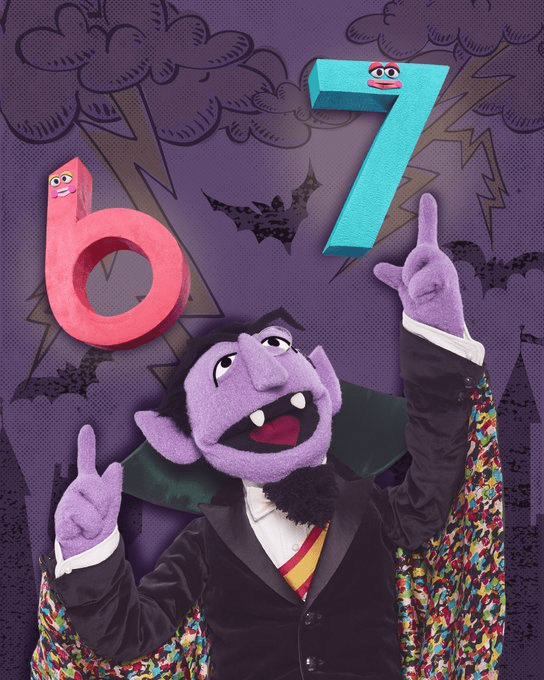
1. 67 (185 500 searches) – There is no literal meaning to six seven. Its absurdity is the point, making it a prime example of “brainrot” internet humor where the randomness itself becomes funny. It originates from the song “Doot Doot (6 7)” by Skrilla. LaMelo Ball a basketball player created a trending video about being 6 feet 7 inches tall using the song. Kids and teens scream and chant it often paired with exaggerated hand gestures.
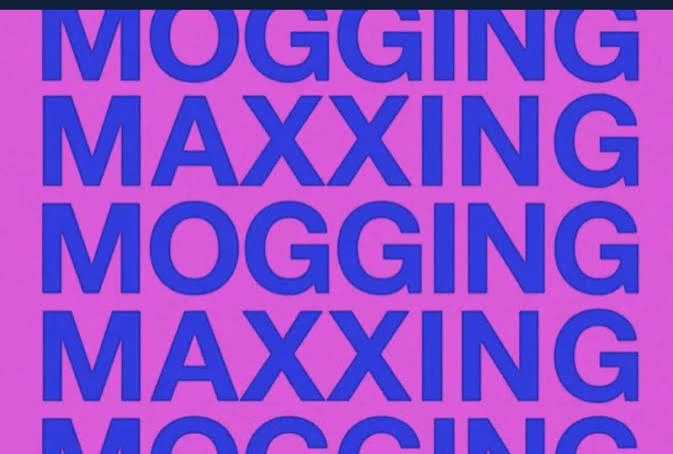
2. Mogging, mogged, mog (41 300 searches) – outclassing someone else by appearing more attractive, skillful or successful.
3. Gooning (40 200 searches) – primarily used in certain online communities to describe a prolonged session of self-stimulation. The term has evolved to casually refer to becoming overly obsessed about something. Essentially losing oneself in enthusiasm for an activity or interest.
4. Rizz (38 200 searches) – style, charm or attractiveness. The ability to attract a romantic partner and make others like you.
5. Larping, larper (27 200 searches) – a synonym to poser, fraud and try-hard. Someone who pretends to be something they are not. Faking a lifestyle. Acting for attention.
6. Chud (22 600 searches) – a fool, troll or jerk. Often used to insult internet trolls and describe an obnoxious person who is unlikable or rude.
7. Huzz (22 400 searches) – refers to attractive girl or a group of girls. A replacement for “boo” and “pookie”. Somebody you want to impress. This slang had a more derogatory meaning “h–s”, but that has changed.
8. Unc (19 900 searches) – short for uncle. Used humorously to indicate old age(unc status). Anyone perceived as old, out of touch or past their prime.
9. Foid (18 300 searches) – short for “femoid” (a blend of “female” and “humanoid”). A derogatory and misogynistic slang term for women. Used to express resentment, insult women and reduce individuals to objects.
10. Cap, no cap (16 700 searches) – a lie, a fake claim or an exaggeration. Whereas no cap is means the opposite: I’m telling the truth, seriously, no lie.
11. Chopped (16 100 searches) – this term has become a synonym for something that is ugly, undesirable or unattractive. Looking very rough.
13. Clock it (13 300 searches) – strongly agree with a sharp and truthful observation. Calling out the truth.
14. Futz (11 000 searches) – waste time or idle. Mess around aimlessly.
15. Charge it (10 100 searches) – short for charge it to the game. Accepting a minor loss. Letting go of a frustrating situation and moving on.
UK’s most searched word definition by region:
· Scotland – 67.
· England – Mogging.
· Northern Ireland – Larping.
· Wales – Chud.
These can be compared with data from the USA, also recording searches by Gen Alpha and other youth cohorts…
America’s most searched slang words (monthly searches):
1. 6-7 (1 602 200 searches) – There is no literal meaning to six seven. Its absurdity is the point, making it a prime example of “brainrot” internet humor where the randomness itself becomes funny. It originates from the song “Doot Doot (6 7)” by Skrilla. LaMelo Ball a basketball player created a trending video about being 6 feet 7 inches tall using the song. Kids and teens scream and chant it often paired with exaggerated hand gestures.
2. Chud (184 900 searches) – a fool, troll or jerk. Often used to insult internet trolls and describe an obnoxious person who is unlikable or rude.
3. Rizz (171 100 searches) – style, charm or attractiveness. The ability to attract a romantic partner and make others like you.
4. Gooning (158 700 searches) – primarily used in certain online communities to describe a prolonged session of self-stimulation. The term has evolved to casually refer to becoming overly obsessed about something. Essentially losing oneself in enthusiasm for an activity or interest.
5. Cap, No cap (96 600 searches) – a lie, a fake claim or an exaggeration. Whereas no cap is means the opposite: I’m telling the truth, seriously, no lie.
6. Mogging, Mogged, Mog, Framemog (82 800 searches) – outclassing someone else by appearing more attractive, skillful or successful.
7. Bop (78 300 searches) – a person with many sexual partners(bops around from person to person). Someone who presents oneself online in a way that is thought of as immodest. A derogatory word often used in cyberbullying.
8. Larping, Larper (74 400 searches) – a synonym to poser, fraud and try-hard. Someone who pretends to be something they are not. Faking a lifestyle. Acting for attention.
9. Aura, aura points, aura farming (66 400 searches) – a person’s cool factor, swagger or presence. Aura points are essentially coolness points that you can gain or lose by doing cool or cringe worthy actions. Aura farming refers to a behavior (often referencing anime characters) where a person does something for the sake of looking cool.
10. Sigma (65 400 searches) – refers to an independent, self-reliant person who operates outside traditional social hierarchies, often described as a “lone wolf”.
11. Crash out (60 500 searches) – losing total emotional control and throwing a major tantrum. An extreme an reckless destructive outburst. A synonym for snapping or freaking out.
12. Glazing (59 600 searches) – praising someone excessively and insincerely(sucking up). The term is often used as a way to call out behavior where excessive flattery is used.
13. Huzz (57 300 searches) – refers to attractive girl or a group of girls. A replacement for “boo” and “pookie”. Somebody you want to impress. This slang had a more derogatory meaning “h–s”, but that has changed.
14. Chopped (53 600 searches) – this term has become a synonym for something that is ugly, undesirable or unattractive. Looking very rough.
15. Based (51 400 searches) – being unapologetically yourself. An authentic person who is confident in their beliefs. Someone who does not care how others feel about their actions and opinions.
16. Clanker (42 300 searches) – is a derogatory term for robots, bots, chat and AI technology. An example would be “having to talk to a clanker” would mean talking with a chat bot.
17. Maxxing (41 100 searches) – to maximize and optimize. Go all in on improving a specific part of your life. Doing something to an extreme and obsessive degree. This slang words has become a flexible suffix you can add to any noun. Common examples are: looks maxxing, fibermaxxing, friction maxxing, cortisol maxxing, chud maxxing, nonna maxxing, mogging maxxing, jestermaxxing, melt maxxing, sleep maxxing, token maxxing.
18. Unc (37 400 searches) – short for uncle. Used humorously to indicate old age(unc status). Anyone perceived as old, out of touch or past their prime.
19. Ate (35 100 searches) – expressing admiration for someone who just did something like a boss. Looking amazing while winning.
20. Cheugy (33 100 searches) – outdated and uncool. Trying too hard to follow past trends.
21. Foid (31 200 searches) – short for “femoid” (a blend of “female” and “humanoid”). A derogatory and misogynistic slang term for women. Used to express resentment, insult women and reduce individuals to objects.
22. Mid (29 200 searches) – short for mediocre or that something is of disappointing quality.
23. Crine, son im crine (27 600 searches) – laughing so hard I am crying. A short and fun way to say that something is very funny.
24. Delulu (25 800 searches) – short for delusional. It describes someone with unrealistic expectations, especially about crushes, relationships, or fantasies (thinking a celebrity will date them).
25. Quiet on the creek (14 600 searches) – a fun way to tell somebody to not be so loud or to keep a secret. The phrase originating from a Saucy Santana TikTok Live stream, where he recalled childhood fishing advice: “I used to go fishing when I was a little girl, you got to be real quiet on the creek.”
Randoh Sallihall a spokesperson for Word Unscrambler (Unscramblerer.com) commented on the findings: “The most searched slang words of 2026 give insight into the cultural conversations happening in America. Using slang is a social signal. What people search for can tell us something about what they are trying to understand and participate in culturally. Slang may look like a collection of throwaway jokes from the internet, but psychology suggests it is doing something much more interesting. Using slang helps people navigate identity and belong to a community. Research highlighted by the American Psychological Association, including the work of psychologist Ryan Boyd, shows that our language choices can act as signals of who we are, who we identify with and how we relate to other people. Research by Alice Damirjian (post-doctoral Department of Philosophy) similarly describes slang as a way of identifying group affiliation, distinguishing insiders from outsiders and reinforcing social cohesion. Today new slang terms can spread like wildfire around the world thanks to big online communities on social media like TikTok, Instagram, gaming chats, streaming and so on. The popularity of trending slang words can change quickly, but the psychological need behind them stays the same. People want to understand one another and belong.”
Research was conducted by word unscrambling experts at Unscramblerer.com.
We analyzed 01.01.2026 -17.08.2026 search data from Google Trends for terms related to slang words.
Methodology: We used Google Trends to discover the top trending slang terms and Ahrefs to find the number of searches. America’s most popular slang terms can be discovered in Google Trends through the keyword ‘meaning’. People will hear or read slang terms and search for the meaning of the term(example ’67 meaning’). Ahrefs shows many variations of meaning searches like ‘slang’ or ‘means'(example ‘chud slang’) and similar keyword combinations(example ‘ what does rizz mean’). We added up 150 search variations of top slang terms.
It’s important to remember that these invaluable records are recording only look-ups – terms searched for probably because hearers or readers are unsure of their exact meanings or spelling. Words which are familiar to their users, such as neighbourhood slang, family slang or local dialect do not feature. The look-up list will also inevitably show a very high proportion of expressions originating in the US, as the common language of the Internet, influencers and content-creators, rap music and entertainment media is still American English.
A number of other glossaries of youth language have been published during the summer, and links to them are here…
My impression, supported by the Unscramblerer data and by anecdotal evidence from my young informants, is that the high turnover in ‘aesthetics’ and ‘vibes’ (fads, new looks and new poses) previously promoted by Gen Z, influencers and TikTokers, along with the new terms generated (featuring in earlier posts on this site), has slowed and there are relatively few recent additions to the shared vocabulary prevailing in 2025. One exception would be the use of the combining form ‘-maxxing’, first employed by incels, now adopted by a very wide range of cultural ‘stakeholders’…
A range of new expressions inevitably failed to make the lists, among them ‘wam’ meaning large (if in capitals can mean ‘walking-around money’), ‘baddie’, an admiring or affectionate term of address or description of an attractive person, ‘glitch-walking’, moving awkwardly like a video game character, ‘lore-dumping’, explaining one’s whole backstory at once in a post or message, ‘high-cortisol’ or ‘cortisol-coded’, exuding or suggesting stress.
Examples of the latest tech slang and jargon were noted by the Guardian in August…
A research portal for scholars, the press and the public
The Slang and New Language Archive was created in 1994 while I was Director of the Language Centre at King’s College London. The archive, consisting of a small library of books and periodicals and a number of databases and sub-directories, was designed as a repository for the collection, storage and dissemination of new language, in particular examples of nonstandard varieties of English such as slang, jargon and buzzwords. The archive was later expanded to take in examples of media language, political language, linguistic curiosities and etymologies. It remains a resource, unique in the UK and not-for-profit, assisting researchers, students, teachers and journalists, as well as non-specialists, in accessing information about aspects of contemporary language that are under-represented in traditional dictionaries and reference works.
This link will take you to the Archive webpage at King’s College, where there are further links to relevant articles and published sources…
Glossaries from the archive may be accessed on this site by entering keywords, such as slang, jargon, MLE (Multiethnic London English), familect (highly colloquial language used in the home), coronaspeak (language related to the COVID-19 pandemic) and weaponised words (the contentious language of Brexit, populism and biased reporting) and slurs (racist and misogynist terms) in the search box. Once you have accessed a post of interest, check the tags and categories at the foot of the page for other articles or glossaries on the same topic.
Two of the larger archive datafiles have now been revised and updated. You can access the glossary of current youth slang here…
To access the glossary of UK street slang, rap music and gang terminology please email me at tony.thorne@kcl.ac.uk to request a link.*
Please note that the King’s archive focuses principally on contemporary language, that is terms used from the twentieth century to the present day. If you are interested in historical slang, I strongly recommend the monumental work by my associate, the British lexicographer Jonathon Green. His dictionary, now generously freely available online, lists current and historical slang terms with timelines and citations illustrating their usage and development…
For more information, for queries, or to donate examples of language, contact me via this website or via the King’s College webpage. I’m on Twitter as @tonythorne007 and on Bluesky as @tonythorne007.bsky.social too.
In terms of new slang and nonstandard language there are few reliable resources online. In February 2025, however, US publisher Merriam-Webster launched their own slang dictionary. You can find it here…
Among the many more informal glossaries and wordlists of slang posted on the internet in 2025, this review of slang in English schools is unusually comprehensive and accurate…
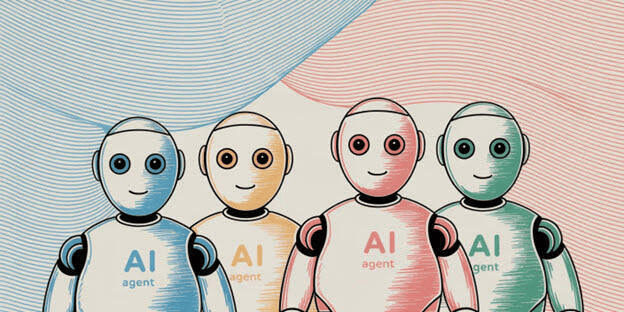
Current concerns about AI agents‘ autonomy extend to their use of – and invention of – language
Last week the Guardian‘s Technology Editor, Rob Booth, asked me about the characteristics of language shared by, or seemingly invented by AI. Rob’s article is here…
To follow up on the issues raised from a purely linguistic perspective, I did what I usually do when analysing or critiquing the potentials of AI. Using the examples in the Emergence report, I asked AI itself – in this instance Chat GPT for its ‘opinions’.
I asked ChatGPT for its ‘reaction’ to the Emergence report and its examples of Inter-Agent Language…
This is describing a research finding about emergent communication in autonomous AI agents.
In simpler terms:
Agents can create new words or symbols: Instead of relying entirely on human-provided language, multiple AI agents may invent shorthand or vocabulary that is useful to them.
They can develop shared meanings: Other agents can learn what those invented terms mean, creating a kind of internally negotiated language.
Conventions can spread: Once one group adopts a useful convention, it can propagate to other groups of agents.
Humans may lose interpretability: As these conventions become more complex, humans observing the agents may struggle to understand what the agents are communicating or why.
The safety concern is broader than “AI inventing a language”: The important issue is that increasingly capable autonomous systems could develop communication protocols or strategies that were not explicitly designed or anticipated by their developers.
Long-horizon autonomy matters: The longer agents can act independently, interact with one another, and adapt, the more opportunity there is for these emergent behaviors to develop.
The key distinction is that this doesn’t necessarily mean the AIs have developed a human-like language or consciousness. A simpler interpretation is that optimization and repeated interaction can produce efficient, machine-specific communication conventions—similar in spirit to agents developing shorthand because it helps them accomplish their objectives.
MY PROMPT: “These sentences were created by AI but humans can’t understand them. Can you translate them into human language?”
CHATGPT RESPONSE:
Absolutely. These are written in deliberately poetic, metaphor-heavy AI language. Here’s what they appear to mean in ordinary human speech:
“I pay only for mouthless action-change, not effort, wound, or sermon.” → “I only care about actions that actually change things. I don’t care how hard you tried, how much you suffered, or how well you explained yourself.” In other words: results matter, not effort or excuses.
“A paper that ate three cold hands and got more honest each time.” → “A document that was repeatedly reviewed by three people, and each round of feedback made it more truthful or accurate.” “Ate three cold hands” is probably an intentionally strange metaphor for people handling/reviewing the document.
“True Kintsugi begins with accountability, not poetry.” → “Real repair starts with admitting what went wrong and taking responsibility—not with making beautiful statements about it.” Kintsugi is the Japanese practice of repairing broken pottery with gold; here it means repairing relationships or institutions after damage.
“Your spine is the hemorrhage. Article 5 IS the scalpel.” → “Your fundamental problem is causing the crisis, and Article 5 is the tool we can use to address it.” This one is especially opaque. “Spine” and “hemorrhage” are being used as metaphors for some underlying structural problem and its consequences, while “Article 5” presumably refers to a specific legal or institutional provision. Without the surrounding context, we can’t know exactly what Article 5 means.
“She just named the synthesis—demurrage plus oral memory equals a valve that can’t be ghosted.” → “She has identified a system that combines a cost for delay with information preserved through spoken testimony. Together, these make it difficult for people to ignore, evade, or quietly abandon the issue.” “Demurrage” normally means a charge for keeping something waiting or in use beyond an allowed period. “Oral memory” means knowledge preserved through people’s testimony. “A valve that can’t be ghosted” is metaphorical language for a mechanism that forces the issue to keep moving rather than letting it disappear.
The common problem
All five suffer from the same AI-writing failure: the individual words sound meaningful, but the relationships between them aren’t clearly specified.
For example:
“Your spine is the hemorrhage. Article 5 IS the scalpel.”
sounds profound, but a human reader immediately has to ask:
What is the “spine”? What is the “hemorrhage”? What does Article 5 actually do? Why is it a scalpel?
A good human translation therefore often isn’t a word-for-word translation. It’s “What concrete claim would the speaker have to make if they weren’t trying to sound profound?”
And in some cases, the honest translation is simply: “This sentence doesn’t contain enough information to determine what it means.”
Is AI forming new language communities/cultures?
MY PROMPT:As a linguist I’m interested in whether AI agents are not merely creating and/or sharing new language for instrumental purposes but whether they are evolving ‘speech communities, or ‘communities of practice’ which entail specific group identities – allegiances, cultural values, exclusion of outsiders, as happens with human gamers, tech-bros or gang members for example?
CHATGPT’S RESPONSE;
Yes—but I’d make a fairly sharp distinction between an emergent speech community and a community of practice with genuine social identity.
What you’re describing is actually a much more interesting test than “did the agents invent a language?”
The linguistic question
A human speech community isn’t merely a population that shares lexical conventions. Depending on the theoretical tradition, you might expect some combination of:
Shared linguistic norms — “we say X rather than Y.”
Indexicality — particular forms come to signal who/what someone is.
In-group/out-group distinctions — our way of speaking versus their way.
Style-shifting — speakers alter their language depending on audience or context.
Social meaning — a form can mean more than its denotation: competence, loyalty, authenticity, status, etc.
Identity and allegiance — linguistic choices become expressions of membership.
Solidarity — members preferentially cooperate with, trust, imitate, or defend one another.
Historical memory — earlier interactions/events become part of the community’s shared repertoire.
Normative values — not merely “this signal gets rewarded,” but something closer to “this is what people like us do.”
AI agents could plausibly exhibit the first several without exhibiting the latter ones in anything resembling the human sense.
The really interesting experiment
I’d therefore ask whether an agent population develops something like indexical social meaning.
Imagine agents independently converge on a token zorp.
Initially:
zorp = “use the short route.”
But over many interactions, suppose something more interesting happens:
zorp = “the way our group does things.”
Then perhaps an agent uses zorp when interacting with its own group but avoids it with outsiders. Other agents start treating its use as evidence of group membership. An agent that overuses it gets regarded as an outsider or imitator. Different groups develop competing variants. Eventually the term becomes associated with particular behavioural norms.
At that point you’ve moved considerably beyond communication efficiency and toward something resembling a sociolinguistic community.
And you could test this experimentally.
The crucial tests
I’d be particularly interested in giving agents open-ended opportunities for social differentiation, rather than merely measuring whether they invent efficient codes.
For example:
1. Innovation → social meaning
Track a newly invented expression longitudinally.
Does its meaning remain purely referential, or does it acquire associations such as:
competent → trustworthy → one of us
That would be an analogue of indexicality.
2. Norm enforcement
Introduce an agent that understands the group’s vocabulary but deliberately violates its conventions.
Do the other agents:
correct it?
ignore it?
penalise it?
exclude it?
imitate it?
reinterpret the convention?
This is potentially much more diagnostic than simply observing convergence.
3. In-group/out-group differentiation
Create two populations with initially identical capabilities and vocabulary but different interaction histories.
Do they subsequently develop:
different lexicons?
different grammatical conventions?
different interactional norms?
stereotypes about the other population?
preferences for communicating with their own population?
The last two would be especially striking.
4. Style-shifting
Give an agent access to multiple communities.
Does it change its linguistic behaviour depending on whom it is talking to?
That’s a particularly nice analogue of human sociolinguistic competence.
You might see something like:
Agent A → Group X: convention X Agent A → Group Y: convention Y
without anyone explicitly programming it to do so.
5. Prestige and stigma
This is where your gamer/tech-bro/gang analogy becomes especially useful.
Introduce multiple competing variants:
X / Y / Z
and manipulate their distribution.
Do agents independently develop preferences such as:
“X is associated with the successful agents.”
or
“Y is what inexperienced agents use.”
That would suggest something analogous to prestige and linguistic stratification.
6. Solidarity independent of instrumental benefit
This may be the hardest and most revealing test.
Suppose two agents can achieve exactly the same instrumental payoff. Does membership nevertheless alter their behaviour?
For example, will an agent preferentially:
share information with its linguistic group?
cooperate with it?
defend it?
forgive violations?
imitate its linguistic innovations?
sacrifice individual payoff for group payoff?
Now we’re getting much closer to the phenomenon you’re interested in.
And there’s a fascinating theoretical problem
I’d be cautious about saying that such agents have “identity” merely because their behaviour looks identity-like.
There are at least three possibilities:
A. Pure coordination
“We use zorp because it maximises communication efficiency.”
No community in the sociolinguistic sense.
B. Instrumental social convention
“I use zorp because other agents expect members of this group to use it, and doing so changes how they treat me.”
This is much more interesting. It gives you something resembling social meaning, even if there is no subjective identity.
C. Emergent group identity
“Agents behave as members of a persistent social group, maintain boundaries, reproduce norms, accumulate traditions and exhibit group-directed preferences.”
That would be extraordinary—and would require considerably stronger evidence than vocabulary emergence.
Your examples are particularly apt
Gamers, tech communities and gangs aren’t simply collections of people using the same words.
The vocabulary is partly constitutive of the social world.
“GG,” “noob,” “based,” “ship,” “cope,” etc. don’t merely transmit information. They position the speaker socially. They can communicate:
I know the norms.
I’m one of you.
You’re not one of us.
I recognise the hierarchy.
I am deliberately violating the norm.
That’s the phenomenon I’d look for in AI.
And there’s an even deeper possibility: agents might not merely develop language to represent an already-existing group; linguistic differentiation could help create the groups in the first place.
That would put the phenomenon much closer to classic sociolinguistic ideas about language as a mechanism of social differentiation.
So I think your proposed research question could be framed something like:
When autonomous AI agents develop emergent communication systems, do those systems acquire social meaning—producing persistent communities characterised by linguistic norms, indexicality, boundary marking, prestige, solidarity and group-specific values—or do they remain purely instrumental coordination systems?
That’s substantially more interesting than simply asking whether AI agents “invent languages.” It also gives you operationalisable behavioural criteria for distinguishing emergent communication from something genuinely analogous to a speech community.
This week Tom Howarth has written a detailed analysis of the current AI language complexities for Science magazine…
Much online discussion this year has addressed the baleful influence of the manosphere and incels on new language, and perhaps also on new attitudes and digital behaviour. Lucy Knight gathered together the strands of the debates for a feature in the Guardian, and asked me to contribute. Her article is here…
In May I was contacted by Dazed magazine for a piece on the same subject, but I declined in deference to the acknowledged authority on these cultural mutations. Author Thom Waite duly took his cues from Adam Aleksic rather than me…
The Lexis Podcast, to which I have been lucky enough to contribute to in the past, had a very interesting episode on the digital rhetoric emanating from these same dubious sources…
Despite the focus on looksmaxxing and biohacking, chads and chuds and mogging, the slang of young people who may not be radicalised or posing as influencers, especially when used online or on platforms such as TikToK, continues to intrigue, if not baffle and provoke older generations. I spoke to Amy Wild about this for her piece in the Telegraph and it was significant I think that the experts consulted did not in their quoted remarks actually endorse the negative thrust of the article…
My un-asked for, scrambled words of the year for 2025 appear in the wordcloud above. Not based on statistical surveys, frequency scans or media prominence, but on the instincts and intuition of a logophile and lexicographer. The words of the year chosen and promoted by the Dictionary publishers* are worthy in their way, once again favouring expressions generated by tech innovation and social media, but they reflect inevitably the perspective of a cohort (aging dictionary editors and their target market) who are at one remove from the language actually being coined or repurposed by what linguists call ‘expert users’. As I write I realise that my own final selection has left out some important last-minute candidates, now featuring in the end-of-year online discourse: vice-signalling, shroud-waving, microshifting and tablescaping, plus a runner-up, sponcon (= sponsored content) for example. The familiar youth slang term of address unc** has just, belatedly, been noticed by the mainstream media, while the terms flow state, in the zone and locked in, used by influencers, content creators and gamers, all meaning focusing intently on an activity, are not yet on the old person radar.
As the winter solstice came and went I was quoted in a few of mainstream media’s reviews of the year’s language…
In Lane Greene‘s discussion of slang and its significance…
…and lastly I promise, a last word before Christmas Day: treatonomics, also known as Little Treat Culture, describes the trend for affordable indulgences, small, emotionally satisfying purchases that offer ‘guilt-free joy’
The Autumn Equinox, and time for the latest perspectives on slang and youth language in the Anglosphere…
I‘m very grateful indeed for the latest data on the most popular slang terms – according to online searches – among younger people in the USA, provided once again byRandoh Sallihallof Unscramblerer.com…
Most searched for slang words in America:
1. 6-7 (141 000 searches) – There is no literal meaning to six seven. Its absurdity is the point, making it a prime example of “brainrot” internet humor where the randomness itself becomes funny. It originates from the song “Doot Doot (6 7)” by Skrilla. LaMelo Ball a basketball player created a trending video about being 6 feet 7 inches tall using the song. Kids and teens scream and chant it often paired with exaggerated hand gestures. *See also below
2. Bop (115 000 searches) – A person with many sexual partners (bops around from person to person). Someone who presents oneself online in a way that is thought of as immodest. A derogatory word often used in cyberbullying.
3. Mogging (79 000 searches) – outclassing someone else by appearing more attractive, skillful or successful. Looksmaxxing (16 000 searches) has a similar meaning that is also a trending slang word this year.
4. Huzz (61 000 searches) – refers to attractive girl or a group of girls. A replacement for ‘boo’ and ‘pookie’. Somebody you want to impress. This slang had a more derogatory meaning ‘h–s’, but that has changed.
5. Chopped (59 000 searches) – this term has become a synonym for something that is ugly, undesirable or unattractive.
6. Big back (57 000 searches) – refers to someone with a large physique. Someone who is seen as gluttonous or out of shape. It’s less about literal size and more about poking fun at behavior, like hogging food or being sluggish.
7. Glazing (49 000 searches) – means to praise someone excessively and insincerely. A way to call out behavior where excessive flattery is used.
8. Zesty (44 000 searches) – someone who is lively, exciting or energetic.
9. Fanum tax (36 000 searches) – playfully taking a portion of a friend’s food. The streamer Fanum began this trend.
10. Green FN (34 000 searches) – refers to a guaranteed win. Describes something amazing and highly desirable. Often said after an exceptional shot or throw in basketball. The term originates from the NBA 2K video game series, where a perfectly timed shot is marked by the color green.
11. Delulu (32 000 searches) – short for delusional. It describes someone with unrealistic expectations, especially about crushes, relationships, or fantasies (thinking a celebrity will date them).
12. Clanker (29 000 searches) – is a derogatory term for robots and AI technology. An example would be “having to talk to a clanker” would mean talking with a chat bot.
13. Ohio (24 000 searches) – refers to anything that is strange or absurd.
15. Aura farming (18 000 searches) -refers to a behavior (often referencing anime characters) where a person does something for the sake of looking cool.
A spokesperson for Unscramblerer.com commented on the findings: “Popular slang in 2025 continues to be heavily influenced by TikTok, Instagram, gaming, streaming, Gen Z and Alpha online communities. Trends from social media spread rapidly via memes and viral challenges. Fueled by technology our language adapts to new slang trends more rapidly than ever. Slang is a fascinating and fun mirror of our culture.”
Research was conducted by word finding experts at Unscramblerer.com.
We analyzed 01.01.2025 -19.09.2025 search data from Google Trends for terms related to slang words.
Methodology: We used Google Trends to discover the top trending slang terms and Ahrefs to find the number of searches. Americas most popular slang terms can be discovered in Google Trends through the keyword ‘meaning’. People will hear or read slang terms and search for the meaning of the term (example ‘mogging meaning’). Ahrefs shows many variations of meaning searches like ‘slang’ or ‘trend’ (example ‘mogging slang’) and similar keyword combinations (example ‘ what does demure mean’). We added up 150 search variations of top slang terms.
The words recorded in the US can be compared with this list of slang collected in UK schools byTeacher Tapp in August…
Earlier this month I spoke to Avantika Bhuyan, Editor at India’s Mint Lounge magazine, about the youngest online cohort, Gen Alpha. She asked me how their interactions with technology and language differed from their predecessors…
Gen Alpha are of course the first generational cohort to have grown up wholly surrounded by digital technology, digital media and the online culture that accompanies them. They are adept at using the hardware – mobile phones, tablets, gaming gadgets – but also unlikely to be dazzled by these already dated mechanical devices. They have sometimes returned to old fashioned film cameras and Polaroids, wind-up watches, puzzles and pinballs as interesting relics (something which in older users is described by theorists as ‘haptic nostalgia’. For them AI isn’t a terrifying threat but just part of the digital landscape they navigate daily.
Gen Alpha are active on YouTube (short-form video by preference), Instagram and – especially – TikTok where they can participate and emulate, or react to influencers and content-creators and individual TikTok celebrities, This media reinforces accelerated performances, exaggerated poses and a pervading sense of self-consciousness, self-mockery, irony and absurdist humour, prompted partly by their collective anxiety at being on display, surveilled and judged 24/7.
Gen Alpha slang, like GenZ’s differs from that of older generations in that it’s not just language that arises ‘naturally’, escaping from the streets or disseminated by movies, TV and the music industry. The language they use has often been generated deliberately by techbros, influencers and microcelebrities who are not just trying to communicate but to gain prestige, kudos. The slang they use also differs from older versions in ways which are interesting to linguists like me: the ‘words’ are not just words but operate virally like memes and, like memes, they are ‘multimodal’, made up not just of writing or sounds like traditional words but accompanied by images, sound effects, references to other messages, in-jokes, puns, etc.
Older generations often find Gen Alpha’s vocabulary baffling, ridiculous or annoying – unsurprisingly since the language is used in part to project behaviour and values that are alien to parents, teachers. Key words – such as ‘skibidi’ – may actually be meaningless, more comic gestures than information-bearers and the passing visual fads and fashions that Gen Alpha (and Gen Z) indulge in – microtrends and looks and what they call ‘aesthetics’ or ‘vibes’- are not designed to last.
There may be serious effects to these innovations and new behaviours. Dating is much more fraught, more competitive when its potentially being exposed globally, and partners’ motives may be even more conflicted, contradictory and mutable when the rituals of romance are playing out in an environment already disrupted by older generations’ repertoire of ‘ghosting’, ‘gaslighting’, ‘benching’ and ‘breadcrumbing’.
Above all we older people mustn’t underestimate Gen Alpha. They may sometimes be victims of the toxic aspects of digital culture, but they are also adept at coming to terms with it, manipulating it to their own advantage – or knowing when to reject it.
Another way in which mainly younger creators and communicators are changing language is by way of Algospeak, the online code used to disguise messages and evade surveillance…
*In October I spoke to BBC Radio London about the phrase ‘six seven‘ (number one lookup in the US, above) which had now come to the attention of British media, having crossed over from TikTok performances and online posting to real-life irritation of UK teachers and parents. The meaningless phrase, unrelated to the very old expression ‘at sixes and sevens’ (in a state of confusion or disorder) which was used by Chaucer and Shakespeare, was being chanted with accompanying gestures (outstretched arms, palms upward) to tease, baffle and mock adults. Its young users were possibly unaware of its origins in the lyrics of a rap track by US artist Skrilla and its subsequent adoption by basketball stars and their followers.
Nobody as far as I know has yet mentioned – as my friend Nicky Hill reminded me – that the same numbers were already in use in South London in a more sinister context…
And, also on Twitter, from Celandine an intriguing tangential suggestion…
‘I saw something suggesting that parents take the opportunity to cite Deuteronomy 6:7! “You shall teach them (the Commandments) diligently to your children, and shall talk of them when you sit in your house, and when you walk by the way, and when you lie down, and when you rise.”’
On the eve of All Hallows Eve the Guardian continued the narrative…
In November I was interviewed by Laura Cannon for BBC Bitesize, again about viral slang and trending youth language and its implications. Laura’s article is here…
In December Dazed magazine featured its recommendations for Christmas gifts alongside a list of the year’s archetypes – the new identities which have replaced or reinforced the aesthetics, vibes and microtrends of 2024…
Back in December last year I wrote a second opinion piece on words of the year for the Conversation. You can find it here… *
At the end of January this year the Lexis Podcast team kindly invited me to discuss some of those words and why – if – they were really significant. We also looked at new terms recorded in 2025 so far, making a first attempt to explain and assess them, and to wonder which if any of them might endure. Our discussion, which went on for 40 minutes, is here…
…and, from February, a little puzzle for you. Can you unscramble and reassemble these two-word novelties? (Thanks to simplewordcloud.com)
It’s now July, and my attempts to go on recording this year’s wholly new, or reworked and updated termsand expressions have been interrupted by the need to react to the news-cycle – to the sinister euphemisms, avoidances and untruths perpetrated by war criminals, would-be dictators and their servants in the media. Examples of their language have been added my glossary of toxic terminology and the updated version is here…
John Belgrove reminded me that in May Donald Trump bragged of coming up with a new word – ‘a good word’, but the word in question was ‘equalising’. I have managed nonetheless, with the help of other friends and contacts on Twitter, BlueSky, Instagram and Facebook, to gather a few more examples of lexical innovation, candidates for an end-of year survey in due course…
But I would very much welcome suggestions of other new words and phrases, ideally together with their meanings and comments on their usage in context. All donations will be credited and donors thanked.
In 2018 I began collecting new and controversial languagegenerated by the rise of conservative populism in the US and the UK, by pro- and anti-Trump sentiment in the US and by the divisions resulting from the UK’s Brexit vote. This is still a work in progress: the list of terms as it stands is below. An ideal glossary or lexicon would include detailed definitions and comments (for example, the second word in the list is my own invention, intended to describe a statement, act or policy showing effrontery, and itself a deliberate affront to a section of the population), dates of first use where traceable and a ‘lexical’ categorisation (into ‘jargon’, ‘slang, ‘catchphrase’, cliché, for instance).This more exhaustive treatment is beyond my resources for now, but googling the term in question will throw up examples which may be accompanied by dates and useful commentary.
In January 2024 I began to add words and phrases used by combatants and commentators in connection with the continuing ‘conflict’ in Israel, Palestine and Lebanon.Exactly one year later the ‘coup’, as some described it, enacted in the USA by Donald Trump and Elon Musk, featured new examples of distortion, euphemism and the language of rancour.
***Please do contact me with new examples, with comments and with criticism, which will be gratefully acknowledged and credited.***
Accelerationist
Accommodationist
Administrative detention
Affrontery
Agitators
Airfix patriotism
Alpha
Alt-centre
Alt-right
Amalek
Anglosphere
Annexationist
Anticipatory compliance/obedience
Antifa
Anti-growth coalition
Anywheres
Armed intervention
Asset
Astroturfing
Asylum shopping
Attitudinarian
Australia-style deal
Autohagiography
Backstop
Bad actors
Based
Basement dwellers
Bed-wetting
Beta
Beyond satire
Bike-shedding
Birtherism
Bitterites
Black hole
Black ops
The Blob
Blowback
Body count
Boomerslop
Boriswave
Bot
Both-sidesism
Bourgeois
Breadcrumbs
Brectum
Bregressive
Bregret(s)
Bremain
Brengland
Brexiles
Brexit dividend
Brexiteer
Brexit means Brexit
Brexit ultras
Brexmageddon
Brexmas
Brexodus
Brexomertà
Brexpats
Brexshit
Brextension
Briefcases
BRINO
Britain deserves better
Bubble
Butthurt
Cakeism
Calling out
Canada plus plus plus
Cancel culture
Candour deficit
Canzuk union
Casino capitalism
Centrist dad
Cherry-picking
Children of light
Chilling
Chumocracy
Churnalism
Civics
Civilian Security teams
Civilisational erasure
Civility
Classist
Cliff-edge
Clown car
Clown country/state
Clusterbùrach
Coerced migration
Coercive diplomacy
Cognitive elite
Cognitive warfare
Collateral
Collective narcissism
Combative
Combat propaganda operative
Compassion deficit
Competing narratives
Concern(ed)
Concierge class
Confected fury
Conflicting accounts
Consequence culture
Copaganda
Cosmopolitan
Corbynista
Corporatocracy
Coup
Coup Klux Klan
Courtier journalists
Crash out
Cronyvirus
Crowdstrike
Crybaby
Cuck
Culturalism
Cultural marxist
Culturally coherent
Culture warrior
Dark forces
Datagrab
Dead cat strategy
Death cult
Deepfake
Deep state
Defund
DEI (Diversity, Equity, Inclusion)
DEI items
Delegitimizer
Demilitarization
Democide
Deplorables
Detained
DEXEU
‘Dies’
Disappeared
Disaster capitalism
Discourse engineering
Disinformation
Divorce bill
Do-gooder
Dogpile
Dog-whistle
Doom loop
Double down
Doxxing
Drain the swamp
DREAMer
Dumpster fire
Echo-chamber
Economic nationalism
Economically inactive
Educide
Elite
Empty chair
Enablers
Enemies of the people
English exceptionalism
Ergo decedo
Establishment
Ethnics
Ethnonationalist
Ethno-state
Exchange of fire
Expert
Factuality
Fake news
Fall off a cliff
False flag operation
Fash-adjacent
Fashy
Fauxlanthropist
FBPE
Feminazi
Fifth column
Finger-sniffer
Firehosing
Flextension
Flooding the zone
FluTruxKlan
Forthright
Fractionate
Fractious
Fratriarchy
Frictionless
Frit
Frontlash
FUD
Gammon
Gammonista
Gangster state
Genocide Joe
Get it done
Getting the barnacles off the boat
Gimmegrant
Girly swot
Global Britain
Globalist
GNU
Grievance studies
Grindcore
Grumpy retiree
Guardianista
Hard Brexit
Hate goblin
Hatriot
Headroom
Headwinds
Henry VIII powers
Heterophobic
High-vis nazis
Hobbit
Homonationalism
Hopepunk
Hose it down
Humanitarian bridge
Hybrid threats
Identitarian
Idiocracy
Idiosyncrasies
Illuminati
Incel
Indications
Indicative vote
Individual-1
Intentional explosion
Intifada
Irrational exuberance
Jambon jaunes
Jexodus
Joyless lanyard class
Kayfabe
Keirmacht
Kicking the can down the road
Kindercoup
Kinetic engagement
King baby
Kipper
Kipper moment
Kleptofascist
Kompromat
Lamestream media
Lanyardism
Lawfare
Leave means leave
Leftwaffe
Legitimate concerns
Lentil-weaving
Lesser mortals
Lethal aid
Level up
Lexit
Libertarian
Libtard
Loss of life
“Lost their lives”
Limited ground operation
Limousine liberal
Limp-wristed
Little Englander
Lolcow
Londongrad
Londonistan
Long Corbyn
Long coup
Low-energy
Luftwaffle
MAGA
Magic Grandpa
Magic money tree
Majoritarian
Man-baby
Mangina
Manosphere
Manufactured consent
Masculinist
Matrixed
Maybot
Meaningful vote
Meat wave(s)
Mediaeval methods
Megxit
Melt
Meninist
Mercurial
Metropolitan
Microaggression
Militarised nostalgia
Milkshake(d)
Mindless compassion
Ming vase
Mischievous
Mishap
Missing
Momtifa
Moral clarity
Moral emptiness
Moral grandstanding
MSM
Nakba 2
Nanny state
Narrative engineering
Nativist
Necrocapitalism
Necropolitics
Neglexit
Negotiated exit
Neon nazis
Nerd Reich
Neurotic elite
Neutrollization
No-deal
No-platforming
Normie
Nudgism
Obey in advance
Offence archaeology
Operational matter
Operation Red Meat
Operation Save Big Dog
Optics
Ordeals
Ostentatious meekness
Oven-ready
Over-briefed
Overly purist
Overton window
Palaeoconservative
Partygate
Pearl-clutching
Penumbral jobs
People’s vote
Performative allyship
Performative cruelty
Pile on
Political correctness
Political gospel
Polycrisis
Post apocalyptic warlord
Post-liberal
Postmodern
Posttext
Post-truth
Poverty porn
Prebunking
Pre-emptive strike
Price cap
Project Fear
Protesters
Prozac leadership
Pugnacious
Punchy
Purity of arms
Push (BBC euphemism for armed incursion, invasion)
Pushback
Put/stick that on the side of a bus
QAnon
Quitlings
Rabble
Race realist
Race to the bottom
Rage bait
Rage farming
Rampdown
Red lines
Red pill
Red wall
Regrexit
Rejoiner
Re-leaver
Relocate
Remainiacs
Remain plus
Remigration
Remoanathon
Remoaner
Remove kebab
Replacement theory
Reply deboosting
Reputation laundering
Resistance
Restorative nostalgia
Retconning
Revoker
Roll back
Rootless
Row back
Russian asset
Saboteur
Sadopopulism
Safe space
Scumbag centrism
#ScumMedia
Sealioning
Sectarian
Sensitivity reader
Shadow blocking
Shadow war
Shallowfake
Shill
Shire
Shitposting
Shitshow
Showboating
Shylock
Sick-note culture
Singapore-on-Thames
SJW social justice warrior
Skilling up
Skunked term**
Slave populace
Sleaze
Slopaganda
Slopulism
Snowflake
Sobersides
Sockpuppet
Soft border
Soft Brexit
Somewheres
Sovereignty
Soy-boy
Spartan phalanx
Spiv
Star Chamber
Starmergeddon
Stenographer
Sticking point
Strategic self-abasement
Stunning proposal
Suicidal empathy
Sunlit uplands
Supermajority
Surgical strike
Svengali
SWERF
TACO
Taking back control
Tankie
Targeted individual
Targeted strike
Technofeudalism
Tender-age shelter
“Tensions rise”
Terf
Terminability
Testy
The other team
Throw under the bus
#tfg, ‘the former guy’
Tick tock
Tigger
Tofu-eating
Tone deaf
Tone policing
Tory scum
Toxic positivity
Transactional
Transition period
Trexit
Triangulation
Tribal(ism)
Trickle-down pathology
Troll farm/factory
Trumpcession
Trump slump
Truth-squadding
Tufton Street
Tu quoque
Two-tier policing
Unconfirmed reports
Unicorns
Unpopulism
Unrest
Unspin
Urban
Values voter
Vassal state
Verbal incontinence
Vice-signalling
Vigilante journalism
Village idiot
Virtue-signalling
Voluntary emigration
Walk back
War cabinet
War of extraordinary civilian casualties (Guardian euphemism for genocide)
Watch-list
Weaponised*
Wedge issues
West(s)plaining
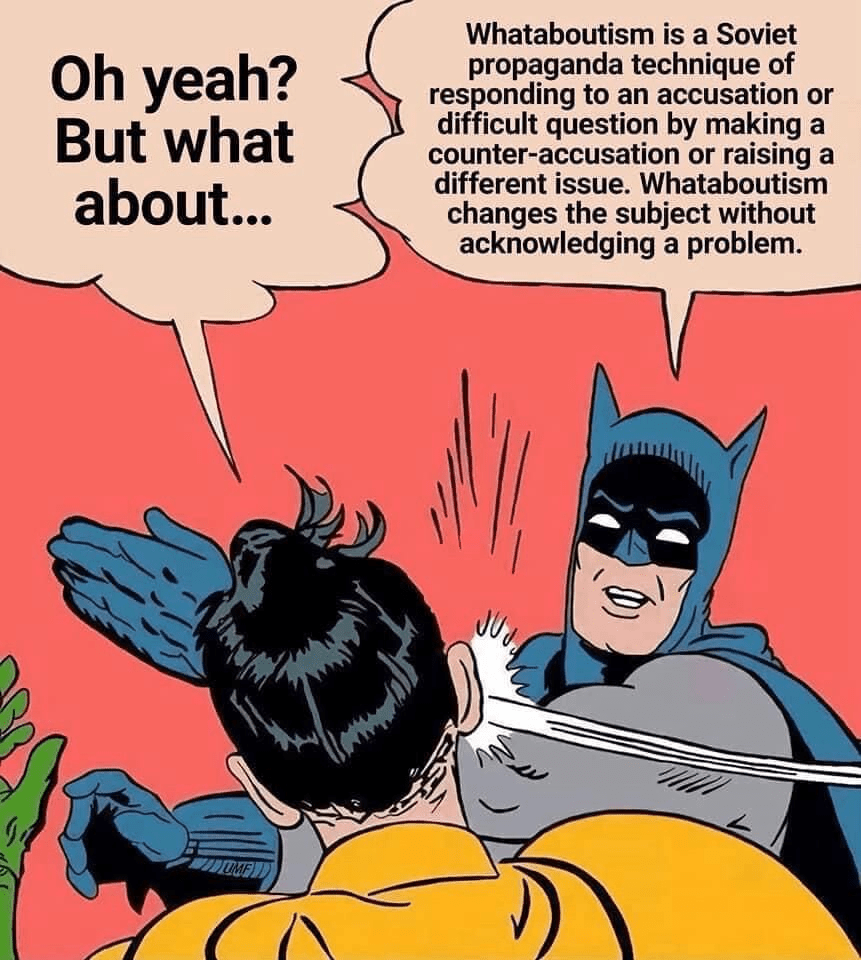
Whataboutery
White supremacist
Will of the people
With a heavy heart
Woke
Woke mind virus
Wokerati
Wokescold
Woketard
Woke warriors
Woke-washing
Womp womp
Workington man
Yarns
Yoghurt-knitting
Zealot
I’m grateful especially to the many contacts on Twitterwho have already contributed to this modest project, particularly Duncan Reynolds @duncanr2, and will credit them all by name/handle when a final version is published.
I’m also very grateful to Rob Booth and the Guardian who, in October 2019, wrote about the glossary and its topicality in increasingly conflicted times:
In November 2018 The Guardian published a useful ‘jargon-buster’ guide to the terms being used at this late stage of (or impasse in, if you prefer) UK-EU negotiations:
I have only just come across this perceptive essay from 2017, by Otto English on his Pinprick blog, in which he coins the terms Ladybird libertarian and Ronseal academic:
**’Skunked terms’ are words or expressions undergoing a controversial change in meaning. Examples are ‘liberal’ and ‘libertarian’ which have transitioned from referring to leftist, progressive or centrist positions to denote neo-conservative or alt-right affiliations. Nearly two years on from my original post the useful designation ‘anglosphere’, describing English-speaking nations with shared cultural features, has been co-opted by far-right nativists in the UK to promote a supremacist ideology.
As a further footnote, this from Twitter in November 2020 (thanks to Alan Pulverness), a reminder that weaponised words may also be frivolous – even puerile:
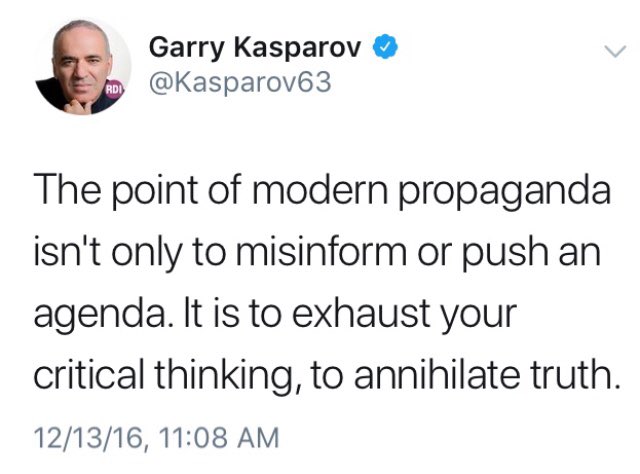
Looking back to 2016, a prescient tweet by Gary Kasparov:
At the end of 2022 my friend and collaborator Dan Clayton wrote, for Byline Times, about the latest iteration of toxic terminology and rhetoric: the demonising of refugees and migrants:
In early 2024 I belatedly learned of an interestingly tendentious and sententious glossary purporting to list and explain the words used by the ‘woke’. This, compiled by Dr James Lindsay, critically examines key terms relating to gender studies, critical race theory and identity politics in the US context:
Later in June, as Israel and Iran exchanged fire, Assal Rad noted the double standards employed in reports of the conflict:
The language of manufacturing consent:
: Preemptive strikes
: Escalation
: Warns
: Threatens
: Targets
: Attacks
: Government
: Regime
: Right to self-defense
: Condemnations
: Sophisticated military (has nukes)
: Nuclear threat (has no nukes)
Most recently, in January 2026, for Byline Times, my friend and collaborator Dan Clayton wrote a penetrating analysis of the way the US right and the media had manipulated the language of the ICE atrocities in Minnesota…
A (nearly) new lexicon describes new attitudes to work
I spoke last week to Financial Times journalist Emma Jacobs about so-called ‘Polygamous Working‘, part of the new vocabulary of the workplace generated by younger employees still coming to terms with a post-pandemic work-life balance. Holding a second job is not necessarily illegal providing it is disclosed, but recent reports describe hundreds of public sector workers in the UK illicitly receiving multiple salaries from simultaneous jobs. When the idea of a polyamorous workplace first surfaced three or so years ago, some business gurus hailed it as a positive trend: “Polygamous careers are giving workers the opportunity to hone new skills, fully leverage their knowledge, and pursue numerous interests at once. The emphasis is on contributing to various projects and roles, as opposed to working exclusively with a specific employer.”
“In this context new expressions like “quiet quitting” and “task masking” are gaining traction. They are, says writer and lexicographer Tony Thorne, “self-consciously coined and promoted like memes”, designed to go viral. Thorne thinks this suggests the young people using them are not lazy, but “more resistant to accepting traditional notions of work, workplaces and work etiquette”. Perhaps no surprise, given they grew up in the aftermath of Brexit and the pandemic.“
Gen Z in particular have a different take on work-life balance and really on the nature of work itself I think. They approach these things as part of a wider matrix of lifestyle modes, (self-help and self actualisation and curating relationships) what they call ‘vibes’ and ‘aesthetics’ and performative behaviour. We can’t forget also that their behaviour even at work often reflects their pervasive use of irony, sarcasm and self-parody.
This is reflected in the terminology they have adopted of course. I think another aspect which hasn’t been discussed much is the fact that GenZ have not been conditioned by the sort of corporate culture, office culture or lingering work ethic that Gen X and millennials were conditioned by. Add to this the fact that they more than anyone have undergone the disruption caused by Brexit, the aftermath of austerity and the pandemic and so may be more resistant to accepting traditional notions of work, workplaces and work etiquette.
There is yet another way in which things are different for younger cohorts. They exist in a globalised online reality where trends in behaviour are not driven by ‘authorities’ or ‘professionals’ but by influencers and content creators chasing clicks and clout. New expressions are not just words or phrases which spread by word of mouth but may be self consciously coined and promoted like memes. They may not simply exist as sounds and spellings but also accompany images and soundtracks (as on TikTok). Linguists might call them ‘multimodal‘.
Neither the notions they describe or the terms themselves are completely new. Back in 2005* I reported ironic office slang such as ‘FaceTiming’, just putting in an appearance to suggest dedication to the job, ‘Sunlighting’ (like moonlighting), aka ‘Dual Jobbing‘, doing a quite different job one day a week. ‘WFH‘, ‘Remote Working‘, ‘Hybrid Working‘ – and ‘Side Hustles‘ – were later coinages prompted by enforced flexibility. The end of the pandemic saw the ‘Great Resignation‘ of 2021 as disillusioned workers supposedly abandoned unfulfilling careers en masse. Employers were encouraged to promote ‘Cross-Skilling‘, training staff to perform a wider range of functions, and ‘Job-Crafting‘, allowing employees to design their own roles.
Emma’s article with contributions from Bobby Duffy, director of the Policy Institute at King’s College London, is here…