SLANG AT THE END OF SUMMER

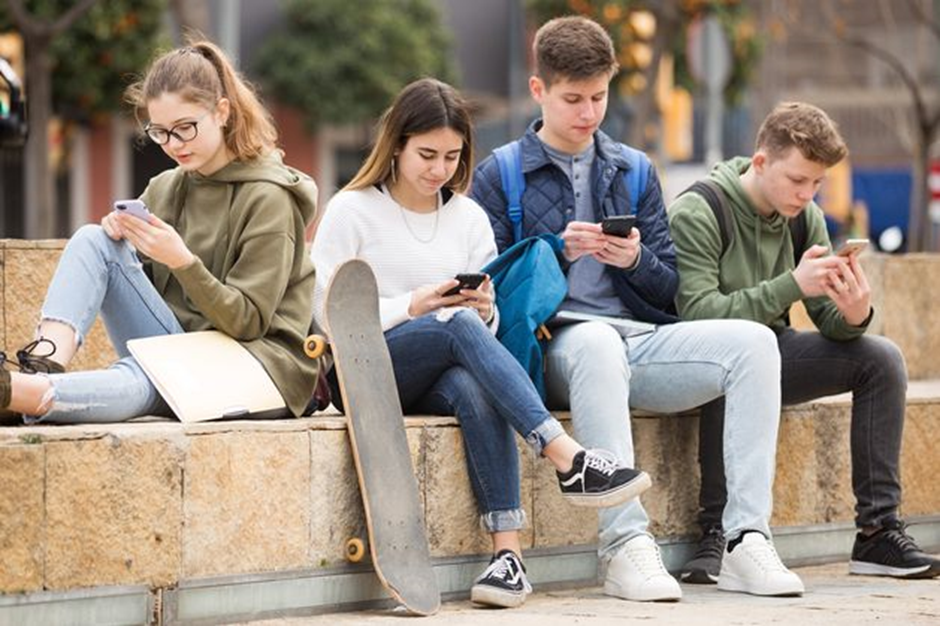
Teen talk continues to baffle older cohorts, but as autumn approaches the vibes shift – and Tiktok identities evolve…

In mid-August I talked to Mary McCarthy about the ever-changing patterns of youth language, and, with her kind permission, Mary’s article for the Irish Independent follows…

No cap, sigma and rizz? You’ll need more than Google Translate for teen talk now

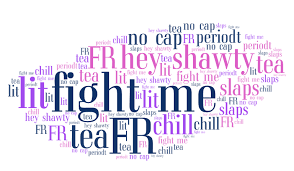
Parents are supposed to be bemused by the slang words their children use, but the new summer vocab in our house has me totally flummoxed. This is particularly so with the younger two lads – eight and 11 – who walk around saying nonsense words like “sigma”, “no cap” “Skibidi Toilet” and “gyat” all the time.

I don’t mind them having in-jokes, and it’s nice to see them falling around laughing – I’ll take that over sullen moods any day. But what are they laughing about?

Are they being kind? I can see the pleasure of getting the giggles over absurd stuff. I used to have this thing with a school friend where we would say repeatedly “The dog is dead” in a Northern Ireland accent – no idea why. But there is so much coming at them now online. How can I know they won’t soak up the wrong messages? The Andrew Tate alpha-male rubbish, for example.

This week I hired my Gen Z 16-year-old to help me decode what his brothers were saying, and he pocketed his €5 before unhelpfully telling me that “it’s just little kids saying random, mental stuff”.

“It’s the internet, it’s TikTok language,” he said. But they don’t have TikTok, I reminded him. YouTube shorts are the same and they have a lot of that, he told me darkly.

So I asked the lads themselves, and they were fairly keen to enlighten me, which was reassur­ing. “No cap” means no lying, “sigma” just means cool (no Andrew Tate alpha-male link, thank goodness) and rizz is “charisma”.

My 11-year-old elaborated. “So, this would be a chat-up line like, ‘Are you from Tennessee? Because you’re the only ten I see’.” I’m unsure what to say. They refused to explain “gyat”, so I looked it up later.

It mostly seems fine. They’re getting it from pals and YouTube shorts, which I will limit more now. But what I’m most baffled about is the Skibidi Toilet YouTube show, and why they call everything Skibidi for no reason.

The show has amassed over 65 billion views over the last year, and I can’t see any pull factor. It’s about toilets with human heads engaged in a war with people who have CCTV cameras for heads, all set in a dystopian landscape. Apparently, there will be a TV show and a movie. I had a headache watching it after 30 seconds.

Youth slang can spread very quickly these days via online platforms and messaging

It’s everywhere. We were on holiday in Kerry a few weeks ago and had a few hours to kill in Kenmare, so we visited the Kenmare Stone Circle, which was erected some time between 2000 and 500 BC. If you clip a wish at the Hawthorn Fairy Tree, it comes true. That’s according to the man working there, who handed us a piece of paper and a pen.

Being my nosy self, I immediately started reading other people’s wishes, and among the pleas for health, happiness and planning permission there were lots of Skibidi.

“Sigma, sigma on the wall, who is the Skibiest of them all?” one card read.

“Desidere che i cani diventine Skibidy Toilet,” read another, which Google translate told me was “Wish that dogs become Skibidy toilets” in Italian. So it’s not just my children larking around. I’m sure it’s all just a silly phase, perhaps the same as my own “the dog is dead”.

Tony Thorne, director of the Slang and New Language Archive at King’s College London, said young people have always created their own language to keep outsiders like parents and teachers out. It just happens that there’s more around today.

“This language innovation, as linguists call it, used to take place in private spaces and only sometimes spread further – if, for example, the language was used in music or movies or TV comedies,” he said.

“Youth slang can spread very quickly these days via online platforms and messaging and so can become global. Terms often coined in the US rapidly move into the Anglosphere. We see that in the huge network of English speakers who converse excitedly in ‘mid-Atlantic’ accents.”

Thorne recommends the guide to teenage slang on the Gabb.com website. I soon discovered that “gyat” is a way to express admiration, usually for a woman’s backside. So I nipped that one in the bud.

It is a habit for parents and the older generation to laugh at teenagers for speaking in a frivolous way

Once you start researching the origins of these words, it gets interesting. According to a recent Forbes article on how Gen Z language is changing the workplace, to “slay” – which is something my 13-year-old daughter says, as in “You slayed that lasagne, Mammy” – means “high praise” and originated in black and LGBTQ+ communities before gaining popularity on TikTok.

I can’t remember using much slang as a teen, apart from the many violent descriptions we had for being drunk, among them flutered, slaughtered, battered and trollied.

My cousin would visit from Canada, and she loved hearing those terms. Today, though, there’s no difference between what a 15-year-old in Dublin and a 15-year-old in Toronto is exposed to, and they’re the more creative for this. After all, the way we learn to speak is from listening to other people, so we probably don’t really need to worry much about the slang.

Kevin Barry, former professor of English at the University of Galway, said that while adults can see it as foolish, there’s a wisdom to the newly minted words and phrases.

“It is a habit for parents and the older generation to laugh at teenagers for speaking in a frivolous way – to the adults it makes no sense. What they are seeing is the frontier of language change, which is a creative Wild West,” he said.

There’s no point trying to keep up. New slang will be coined as fast as I learn. We can’t police it. The only thing to do is role-model IRL (in real life) what it is to be a nice person. To not shout, to be kind, to make time for the children. To let them know you have high expectations for their behaviour by having high expectations for your own – no cap.

The dominance of memes and viral posts from the USA celebrating a brat summer was challenged in late August by a TikTok injunction to ‘be demure and mindful‘ in all one’s actions and representations. Alternative and mainstream media jumped quickly aboard the accelerating bandwagon – and Ellie Bramley of the Guardian asked me to comment…

Demure‘ is a seemingly prim and dated adjective, used recently only by rueful babyboomers and tabloid journalists, for whom it is code for ‘not completely undressed’ when describing female celebrities attending film festivals, tottering along red carpets and catwalks. In drag queen and ‘ballroom LGBT‘ circles, though, it has long featured as a self-mocking keyword when urging the outrageous, usually ironically and teasingly, to behave with modesty and decorum. It is in this spirit that ‘fierce divas’ and other influencers have relaunched the term, along with ‘mindful‘ in its older sense (before the advent of self-seeking ‘mindfulness’) of considerate, respectful and cautious. The Guardian piece is here…

It’s very easy to dismiss GenZ and TikTok fads as shallow, ephemeral provocations, unworthy of the attention of rational adults. Easy, too, to deride aged babyboomers like me who record them and attempt to analyse the thinking behind them. But as Ellie herself remarked, a keyword like ‘demure’, inasfar as it isn’t just an absurdist gesture, can not only signify a genuine shift in self-awareness on the part of a few influential online individuals, but can prompt reflection and even changes in behaviour among a much larger segment of the population.

With that in mind, from Laura Pitcher, here’s Dazed‘s perceptive take on the word of the moment…

https://www.dazeddigital.com/life-culture/article/64378/1/demure-mindful-tiktok-owns-an-internet-buzzword

In September I was interviewed by Mary Ugbodaga about a slang acronym in use in Nigeria…

WSG meaning: what does the acronym mean and how to respond – Legit.ng


SLANGS IN CONTENTION

Chronocentric confusion as youth cohorts clash

It’s my responsibility, despite my very advanced age and despite the linguistic distractions from war crimes abroad and political meltdown at home, to try to keep track of the latest slang. For some time Gen Z, the population group born between 1997 and 2010, has been torchbearer for the zeitgeist, via TikTok, Instagram and YouTube, promoting such novelties as influencer-talk and its accelerated succession of fads and looks known as aesthetics or vibes (search this site with those keywords for more on all of these).

Now, in early May, help arrives in the form of a diatribe by 21 year-old LA-based singer-songwriter Allegra Miles, calling out aging millennials for their use of dated terminology and urging them to update themselves with Gen Z’s newest catchphrases and slogans. Allegra’s translations attracted the attention of the mainstream media in Australia and the UK and you can read them here…

https://www.dailymail.co.uk/femail/real-life/article-13386193/Gen-Z-woman-tells-millennials-stop-saying-old-phrases-slang-vibe-game-slay-YOLO.html

But Allegra’s generation are no longer the youngest on the block, and I’m curious as to how Gen Alpha – those born between 2010 and 2024 – will modify existing language and generate their own novelties. Tiktok influencer Nicole Pellegrino comments here…

Unfortunately, attempts by parents and teachers to get to grips with their students’ new ways of expressing themselves are embarrassingly inept, if well-meaning. Witness this glossary of terms, one of several ‘guides’ published this year, that is actually a ragbag of well-worn language items favoured by younger millennials and Gen Z…

https://www.classpoint.io/blog/gen-alpha-slang-for-teachers

I’ll continue, from my distant vantage point, to investigate, but my post is, then, an appeal, to any members of Gen Alpha (or their siblings, classmates, neighbours) who bother with online blogs or antique social media platforms, to send me samples of their favourite expressions. I’ll add these to my databases and write about them in due course.

In fairness, I should also list one of several similar articles published recently, again by the Daily Mail in this case, but whose source (the Curry’s electronic retail group) is perhaps not exactly representative of the age-group it describes…

https://www.dailymail.co.uk/femail/article-13341497/slang-makes-old.html

*For help in understanding the language and online mannerisms of TikTok and GenZ and Gen Alpha, I’m especially grateful to my daughter, Daisy Thorne Mrak*

Long January

First language updates from 2024

I have written several times on this site about new language and novel forms of expression generated by Generation Z and about how evolving attitudes, fashions and social behaviour among younger cohorts translate into a multimodal mix of verbal and visual on platforms such as TikTok. I have argued that older generations should not ignore or deride the unfamiliar and often baffling messaging practised by ‘the youth’, but try to understand and engage with it. During the slow, fraught, trying first weeks of 2024 the UK’s mainstream media has for the first time begun to pay some attention to the new language appearing online and on the street.

Earlier in the month my friend, Financial Times journalist Emma Jacobs, wrote about intergenerational language differences and resulting misunderstandings in the workplace. Her article, which quotes me, is here…

https://www.ft.com/content/b73d81c0-b4b8-40f9-b0e4-8f97a1701d0b

More recently the BBC focused on the changes in accents and vocal affectations associated with online influencers and new media platforms…

https://www.bbc.com/future/article/20240123-what-tiktok-voice-sounds-like-internet-influencer

Dr Christian Ilbury, quoted in that article, added this caveat subsequently: “it’s just HRTs + memetic discourse styles which keep the audience engaged (linked to platform capitalism) not a *new accent*”. Christian had previously helped to explain the latest incarnations of the once taboo c-word

For Dazed magazine Jess Bacon looked back at the many successive incarnations of the ‘girl’ featuring on media platforms during 2023…

2023: The year of the girl | Dazed

The Guardian meanwhile valiantly attempted to help its readers interpret the latest catchphrases and slang…

https://www.theguardian.com/lifeandstyle/2024/jan/24/so-babygirl-its-the-new-gen-z-term-of-endearment-but-what-does-it-mean?CMP=share_btn_tw

While the Daily Mail sent its reporters on to the streets to discover whether well-established slang terms were understood by members of the public…

https://www.dailymail.co.uk/news/article-12994057/So-Gen-Z-slang-know-MailOnline-visits-streets-London-Solihull-Sunderland-ask-millennials-boomers-know-real-meaning-terms-like-peng-bare-beef.html

In distressing contrast, the news cycle has been dominated throughout the month of January, in fact since October last year, by far less frivolous concerns. The Israeli-Palestinian conflict in a very different way has generated language (‘administrative detention’, ‘the other team’, ‘educide’, ‘nakba 2’) – or recycled older terminology (‘ethnic cleansing’, ‘demilitarization’, ‘collateral’) – which is controversial and which demands analysis. While recording the language of Donald Trump, of Brexit and of the Covid pandemic, and once again, while tracking the atrocities taking place today, I have been conscious of distortion, untruths, avoidance and manipulations practised both by the participants in the conflict, by their allies or sponsors, and by those who should be reporting on it objectively and, where possible, impartially. It is by scrutinising their language and treating public and media discourse critically, by exposing bad faith and countering falsehood that linguists can make some small contribution to the global conversation taking place.

Linguists have begun to discuss the ways in which facts and opinions are being presented to the public and to unpack the assumptions and covert intentions of those controlling, or attempting to control the narratives in question…

https://newlinesmag.com/argument/language-is-a-powerful-weapon-in-the-israel-palestine-conflict/

For my part I am collecting new examples of contentious language relating to the middle eastern crises and adding them to my existing glossary of weaponised words and toxic terminology on this website. I would be very grateful for contributions from readers and will acknowledge these in upcoming posts.

After language?

The latest multimodalities examined

During October I relished the chance to talk to the editors of DazedDigital, Serena Smith and Gunseli Yalcinkaya, and they told me about the most recent developments in online and digital communication and the new language varieties trending on social media. I have tried to make sense of a much younger generation’s performances and interactions and the notes I made follow here…

 Language and the way we use it is now for the first time truly globalised. This means for example that new accents and intonations and vocal affectations take place across several cultures almost simultaneously. This gives us pronunciation and intonation novelties like Youtuber or Influencer accent, TikTok voice, etc. These are fluid, evolving and can blend more than one traditional source (UK and US linguistic styles and usages for example). The phenomenon is not new – the mid-Atlantic accent dates back many decades and both Valley Girls and users of Multiethnic London English – MLE – have played with new ways of pronouncing, but the platforms and apps of the 2020s – TikTok in particular – highlight these…

Obviously the way we consume and exploit media has changed radically with the internet and mobile technology and determines the kinds of messages we exchange and the words, sounds and visuals we actually use. Short attention-spans mean that messages need to be accelerated, brief and telling: the constraints of apps and platforms make for compressed and dense information packages.  At the same time the imperative for innovation​ (something that has always been part of language evolution, but used to happen very gradually) – novelty, neologisms, new and more liberated attitudes to formality and informality and style in general – is integral to changing fashions, aesthetics, vibes. Even such basics as whether messages have to make sense have been destabilised by Gen Z‘s playful surrealism and absurdism and TikTok’s creative conventions.

One major change is the way that the distinction between written and spoken language has broken down since people began to type conversations and exchange rapid interactions electronically. Also Pre-existing words and expressions are hijacked, reversed, toxified, appropriated and modified as never before. And we all​ now have the power to do this via electronic media – we don’t need permission to publish and exchange our ideas and indulge our playful, mischievous or creative new usages.

Gunceli asked, There are so many memes joking about how we’ve ‘progressed past the need for language’. Obviously worth taking with a pinch of salt, but do you think there’s any truth to this? 

We won’t evolve ‘beyond language’ since language is simply a label for human interaction and communicative practices, but the specifics of that language will continue to adapt and mutate along with our social needs and our technologies. Linguists do talk increasingly in terms of multimodality whereby both online and offline communication involves much more than speech or writing – ‘language’ as we have known it. The buzzword multimodality can refer to how IRL we blend all sorts of semiotics often simultaneously: stance and posture, facial expression, gesture, writing, speaking and using a communication device, but also refers to how online and app messages employ abbreviations, acronyms, audio, video, symbols, memes as well as or instead of words (…soon probably touch and smell as well!)

The NPC streamers phenomenon highlighted by Dazed is another example of what I described as GenZ and TikTokers’ minimalist, surrealist or absurdist treatment of language. NPC stands for ‘non-playable character(s)’, the digital background entities with a limited repertoire of utterances and repetitive actions encountered in video games, and the streaming is an online activity, primarily on the TikTok platform, whereby creators imitate these characters by livestreaming themselves, and viewers reward them with in-app gifts for doing it.

The new primacy of image (and audio) over simply text and conversation has resulted in a human imitation of cartoon sounds and seemingly meaningless bits of language that only followers and enthusiasts will recognise and be positively triggered by. Playing with identities by way of words, slogans, soundbites and catchphrases is as much influenced by the poses of cosplayers or Furries and the behaviour of video-gamers as it is by ‘traditional’ ways of using verbal and visual language.

How do you think the mainstreaming of emerging tech like AI is changing the way we communicate verbally with one another?

Algorithms being used for automated reasoning and the generating of persuasive messaging or content are already operating at sophisticated levels, but the linguistic aspect is just as much prey to error and detectable failures as, for example, deepfake images and impersonations of artistic productions. If we are digitally literate and managing to keep up, we can often see through the deception, and this is probably reassuring. AI has some interesting potential: for example, to allow us to communicate with people whose language we don’t share. But I think the limitations of AI(-its difficulties in interpreting or reproducing human nuance, implication, indirectness, etc) will lead to – is already leading to – new forms of incoherence and misunderstanding. I suspect we will soon be able to recognise a particular ‘AI style’ so that artificially generated messages can be recognised as such in some cases – at least I hope so! Translators and teachers are already grappling with potential of AI to assist, supplement or replace their work – and its limitations in doing so. More alarmingly AI is already inventing and using languages that we humans can’t understand: https://www.fastcompany.com/90132632/ai-is-inventing-its-own-perfect-languages-should-we-let-it

Gunceli’s fascinating review of all these themes and more is here…

Serena Smith spoke to me about the latest version of familect, the intimate, informal, often comical language invented in private domestic spaces, about which I’ve written before on this site. Her excellent account of TikTok’s #MarriageLanguage is here…

DOCTORS OF SPIN

The New Language of New Britain – 25 Years On

I thought it might be interesting, even informative, to look back from our post-Brexit, post-COVID vantage point in early 2023 to a time before a culture of impunity had become embedded, a time when there still seemed to be a consensus across political persuasions that competence was a first requirement of whoever was elected to govern Britain, (but a time, too, in which there was a feeling among many that profound changes were overdue). In 1997 I made a series of programmes for BBC World Service Radio, looking at how emerging words and phrases seemed to embody novel attitudes on the part of the British. The broadcasts were aimed at listeners outside the UK, although at that time also accessible inside the territory.

The first in a series of short programmes looked at the language of New Labour, at perceptions of a closer relationship between its politicians and what is now called the mainstream media and at the role of the spin doctors (one of the very new formulations heard in those days) responsible for what is now called comms and messaging and for negotiating that rapprochement.

I was fortunate to be able to draw upon insights from Derek Draper, at that time one of New Labour’s highest placed political advisors and lobbyists, journalist and columnist Julia Hobsbawm and writer and critic Peter Bradshaw. Our conclusions were at that time revealing, I think, even if now the notions and the behaviour we were looking at and the terminology that accompanied them have become commonplace.

These recordings were lost for many years, and I am very grateful, both to my then-producer Colin Babb for recovering some of them, and to Urban Mrak who has managed to restore and re-record a small selection of the damaged tapes. The first of them can be accessed here, although the first few seconds during which we listened in the studio to reiterations of the ‘New Labour, New Britain’ mantra are missing…

https://www.podbean.com/player-v2/?i=wph5j-139127f-pb&from=pb6admin&share=1&download=1&rtl=0&fonts=Arial&skin=1&font-color=auto&logo_link=episode_page&btn-skin=7

In the following days I will add two more of these short recordings, dealing, respectively, with the idea that late-90s Britain was experiencing an upsurge in aggressive, selfish behaviour, typified by the new concept of ‘road rage‘, and an increase in female assertiveness caricatured as ‘girl power‘.

Derek Draper

Julia Hobsbawm

Peter Bradshaw

LEVITY – OR LEVY-T?

Wordplay to keep the world at bay

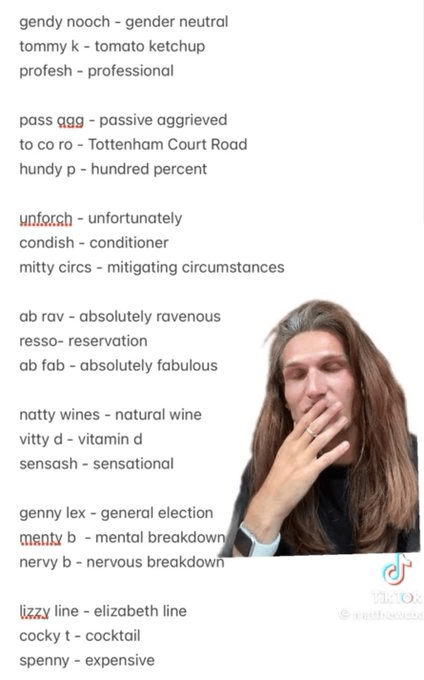
I posted this in January 2023, but now – in May of the following year – it seems timely to update and repost the article and the links, given the fact that the snappy genners were right and a UK genny lec has been announced for July 4…

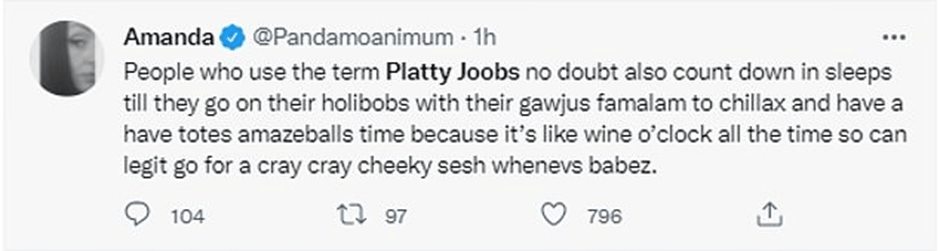
We are halfway through January now. The Holibobs are over and we have come to the end of Chrimbo Limbo – that uncertain period between Christmas and New Year. Dishy Rishi is still in number 10 and, despite unprecedented crises in the health services (though the Panny-D seems to have subsided and Locky-D is just a memory) and family finances (in meltdown due to the Cozzi-Liv), we will have to wait until next year for a Genny-Lec (and perhaps the predicted Labby-Maj once the votes have been counted). In the midst of adversity, on social media (on Facey-B, Insta-G, and even Linky-D) the usual barrage of banter, badinage and bonhomie continues unabated nevertheless. As my Twitter friend Amanda comments…

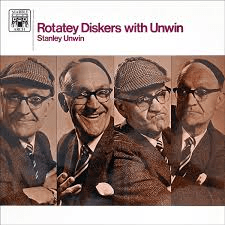
Platty Joobs’ (for Platinum Jubilee in case you missed it) and ‘famalam’ have a Professor Stanley Unwin feel, for me and possibly others of my advanced years. Unwin was an eccentric old chap who used to perform monologues on the radio in the 1950s in which he mangled words and phrases and challenged listeners to interpret what he was saying. ‘Unwinese’ added nonsense syllables, reversed syllables, jumbled parts of sentences – like children’s nonsense stories and nursery and baby talk does. Exaltation of childhood by way of whimsy and nonsense (as in the works of Lewis Carroll, Edward Lear) has been an enduring feature of British literary and popular culture – perhaps a tactic by which we try to play down the dark side of life, smooth over social inequalities and make light of the blunders of our ruling class: deploying non-stop facetiousness, irony, cheek and irreverence in all everyday communications.

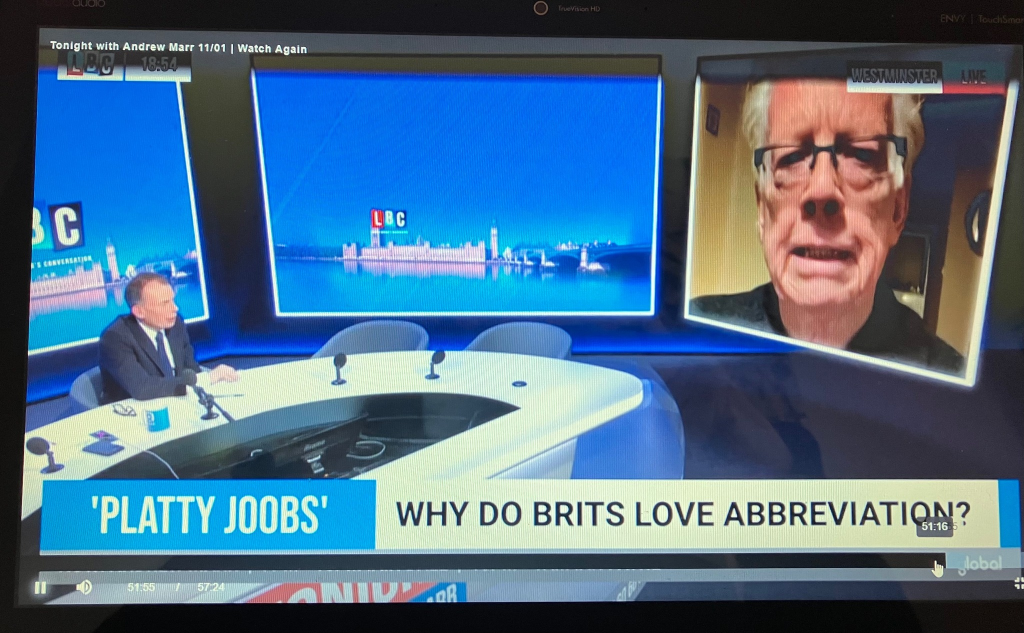
I spoke to Serena Smith, editor at Dazed Digital, about the sassy, cutesy – or cringe-inducing – humour involved in abbreviating, coining nicknames, dismantling and reassembling words and phrases in a particularly British manner, then a few days later answered questions on the same subject from Andrew Marr on LBC Radio. Serena’s article is here…

https://www.dazeddigital.com/life-culture/article/57904/1/why-do-british-people-love-to-abbreviate-things-cozzie-livs-platty-joobs

It’s heartening that, despite the seeming indifference of older commentators and experts, some, mainly younger academic linguists are beginning to study these developments, applying statistical techniques to tracking the spread of new terms and analysing specifics of their users. Dr Christian Ilbury of Edinburgh University, with whom I’ve exchanged ideas, has been doing this for some time and writes here of the online personas created and celebrated by new labels, catchphrases and in-jokes…

https://onlinelibrary.wiley.com/doi/full/10.1111/josl.12563

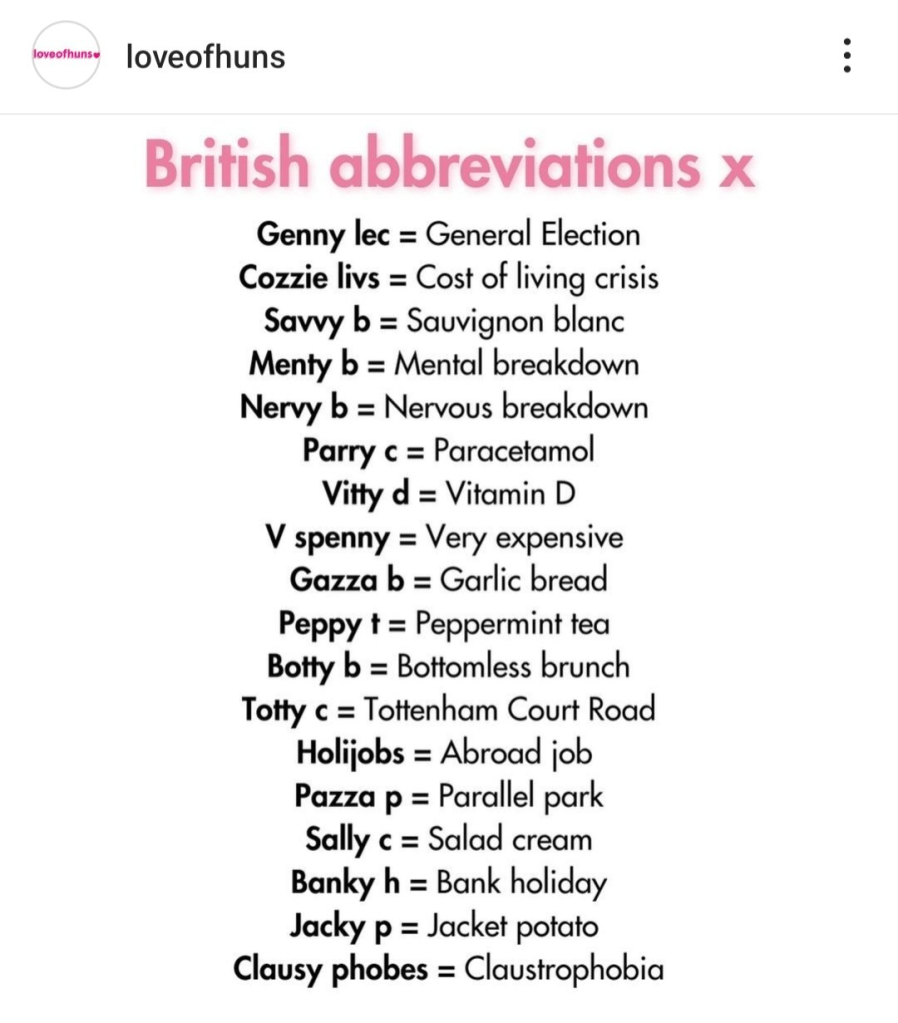
The announcement of a genny lec in May 2024 sparked renewed interest in the phrases, as listed by the Loveofhuns Instagram account…

More here, from Christian Calgie via Puja Teli

And on Tiktok via Twitter

In August I spoke to Madeline Sherratt about the latest developments in abbreviating and wordplay, and her update in The Independent is here…

From the ‘panny d’ to a ‘jackie p’, is the language of hun culture leaving you behind? | The Independent

LANGUAGE, ‘AESTHETICS’ AND INNOVATION IN 2022 – THE ROLE OF GEN Z

Fads, Fashions, Lifestyles and Vibes – thirty years on

During 2022 I wrote several times about the new terminology that has been generated by younger generations’ (younger Millennials and so-called Gen Z or Zoomers) online celebration of an accelerated series of Fads, Fashions and Cults (the title of my book on the same topic published back in 1993). I was bemused, but not surprised that my articles and posts received little attention. Those over 40, even if active online or otherwise in touch with the wider culture, seem to pay no attention to what their children and grandchildren are saying, or perhaps just view their activities on social media as trivial, frivolous and ephemeral*. It’s slightly absurd that someone of my advanced age should be trying to record and comment on youth-based popular culture, but, just as back in the nineties, only a few fashionistas and influencers and a handful of style journalists manage to achieve any sort of critical perspective on the high-speed succession of poses, performances and pastiches that plays out on 21st century cyberspaces (and incidentally in teenagers’ bedrooms and college dorms too).

At the end of the year, however, I was asked to contribute to a major press review of these same phenomena, and discussed them with the MailOnline’s science reporter, Fiona Jackson. Fiona had picked up on recent mutations in slang and online jargon, in the novel use of emoji and punctuation, and changes, too, in the accents and intonations used on platforms such as TikTok – in particular the voice affectation known as ‘vocal fry.’

It’s interesting that Gen Z is seen as having a particularly exotic or impenetrable vocabulary, baffling and irritating parents, teachers, journalists and anyone too old to keep up. Inventing new words and changing the meanings of old ones, though, is something that each generation does (see UK millennials with their MLE – Multiethnic London English) and is a natural part of language. Accent is another essential component in curating and projecting one’s identity. ‘Vocal fry’ or ‘creaky voice’ first got noticed and was fiercely debated in the USA in 2015. The low, raspy growling voice tone favoured by female US celebrities has since been imitated by some younger people in the UK, and by British ‘influencers’ online, but not to the same extent. What I have noticed is not specifically vocal fry but something newer and more complex: a UK accent favoured by fashionable younger females which mixes a sort of high-pitched, lisping breathless ‘girly’ delivery with a lower-pitched drawl that can slide in and out of American intonations. Something like this is now prevalent, particularly on TikTok which is where Gen Z goes to influence and be influenced.

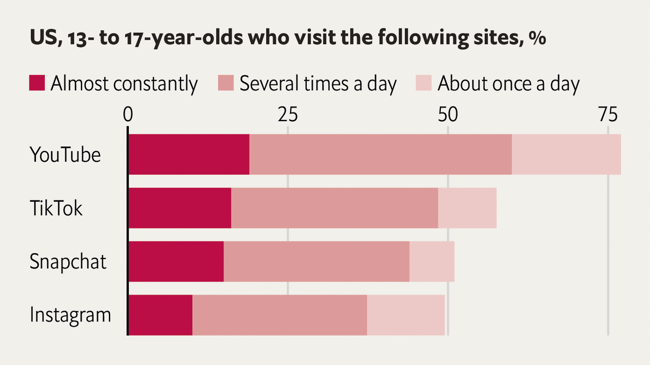
In the US now 63% of people aged 13 to 17 use TikTok weekly, a rate that now tops both Snapchat and Instagram. TikTok is also the go-to environment for the celebration of youth fads, fashions and lifestyle trends, not to mention the parodies, mash-ups, spoofs and in-jokes which are central to its video performances. Older people trying to keep up or simply to comprehend what is happening on TikTok or understand what Gen Z is saying and messaging should however beware: I have a suspicion, shared by a few other commentators, that many of the fads, fashions and trends they celebrate (they call them ‘vibes’ or ‘aesthetics’) are not really taken seriously at all by most of them, are passing fancies or simply spoofs perhaps designed to mock the tedious concerns of outdated millennials. Fashionable new ‘looks’ like so-called ‘goblin-mode’ which has, unusually, been noticed and publicised in the mainstream, have been appearing and disappearing on Gen Z platforms with a bewildering speed (see ‘cottagecore’, ‘blokecore’, ‘hag chic’, ‘frazzled English woman’, etc.).

The MailOnline article is here…

https://www.dailymail.co.uk/sciencetech/article-11541685/How-Generation-Z-changed-communicate.html

…and my articles from 2022 are here…

Gen Z, as they come of age and begin to access power and influence in mainstream society, will inevitably affect the way we collectively behave and of course communicate. But there is an interesting phenomenon that those like me who try to track slang and new language have to face up to. That is that it’s quite impossible to predict exactly how language is going change. No so-called linguistic authorities have ever been able to guess how technology and society is going to mutate, or how fast, or which aspects of human behaviour will come to predominate in the future – even in the near-future. Gen Z may settle down into family life and work and become distracted by adult responsibilities, just as we once-radical Boomers, muted, tortured Gen X and much misunderstood millennials have done before them. Or perhaps they will not, and will manage to realise the boomers’ dream of staying radical, innovative and young forever? How their destiny plays out will dictate what they say and how they say it (and they will have to find ways to negotiate their obsessions and describe their changing environments), but I, for one, don’t dare to hazard any more than that.

*She’s much younger than 40, but journalist Marie le Conte struck a contrarian note in the New Statesman, suggesting that we shouldn’t be interested in Gen Z’s predilections…

Its finger still on the pulse of the zeitgeist, the Mail followed up with a warning to older generations that Gen Z disapprove not only of their language and their emoji use, but of their gesturing too (unsurprisingly the hand-signals castigated are all part of my own sad repertoire)…

https://www.dailymail.co.uk/news/article-11627655/Generation-Z-reveal-hand-gestures-cool.html

Last summer the Daily Mash had issued another (spoof) warning to the middle-aged, this time of Gen Z‘s behaviour in the workplace…

https://www.thedailymash.co.uk/news/work/the-middle-aged-guide-to-fitting-in-with-gen-z-work-colleagues-20220704222915

At the end of January I talked to Karyn Hay of Radio New Zealand about Generation Zed (the preferred term in Wellington and Auckland), their language and online activities…

https://www.rnz.co.nz/national/programmes/nights/audio/2018875098/tony-thorne-gen-z-communication

In February 2023 King’s College London Faculty of Arts and Humanities, host to my Slang and New Language Archive, featured my activities in their Net Gains series…

https://www.kcl.ac.uk/is-tiktok-a-breeding-ground-for-a-mutation-of-culture

*For help in understanding the language and online mannerisms of TikTok and GenZ, I’m grateful to my daughter, Daisy Thorne Mrak*
Tick Tock, TikTok

Earlier in May I talked to Dillon Thompson of Yahoo News about slang and its online incarnations. Dillon was exploring the ways in which slang and new language both affect the way we interact in an accelerated digital age, and the way in which digital environments such as TikTok and Instagram and Twitter and the internet-based rituals, gestures and poses embraced by Generation Z in turn might influence the sort of language we – or some of us – are creating, adopting and using.

Dillon’s article, with new insights and with contributions by me and from US linguists Sunn m’Cheaux and Daniel Hieber is here…

https://www.yahoo.com/lifestyle/internet-changing-think-slang-133422776.html

More on how internet culture has displaced ‘pop culture’, from Günseli Yalcinkaya for Dazed magazine…

DO TRY TO KEEP UP

Following fashions is an exhausting task. And has become more exhausting still.

I have been recording the fads, fashions, cults and trends that energise popular culture, and the labels by which they register themselves on our collective consciousness, for more than thirty years. With the advent of the Internet and messaging the lifestyle innovations, aesthetic novelties and personal badges of allegiance are nowadays free to go viral, go global, and in many cases to disappear, virtually instantaneously. I talked to Olive Pometsey of The Face magazine (itself an iconic vehicle for the propagation of new ideas and images) about the latest, accelerated, overheated iterations of micro and macro-identities competing on online platforms. The equally frenzied quality of much comment and analysis is perhaps conveyed by the notes I made before we spoke…

Olive’s excellent article is here…

A crowdsourced, online, free-for-all, 24/7 source of slang, catchphrases and new terminology is my friend Aaron Peckham‘s Urban Dictionary. As the Face article was going to press this was its phrase of the day…

vibe shift

Coined by trend forecaster Sean Monahan, a vibe shift describes the emergence of a “new era of cool.”

Fashion is a realm that experiences frequent vibe shifts, especially with the arrival of a new decade. Gone are the days when frosted tips and low-rise jeans and Abercrombie & Fitch were in.

We’re in the midst of a vibe shift right now with the widespread lifting of Covid-19 protocols and restrictions. We’re going out again and adapting in new ways to our environment; some will survive the shifting tides, and some won’t.

Yeah I’m in my vibe shift right now. You won’t catch me in the club now that things are opening back up again. I’m all about going to the Home Depot, renovating my home and hearthyknow? Once I tried topless gardening things changed a lot for me.

by bruhdisease April 24, 2022

Those once-thriving subjects, Cultural Studies and Media Studies, which I used to teach in the 1990s, are nowhere to be found in today’s educational landscape, and the cultural practices we used to analyse are these days ignored by most commentators, the subcultures (and microniches, hyperlocal communities) if they are mentioned at all are dismissed by older cohorts as trivial, frivolous and ephemeral. I doggedly persist, in solidarity with The Face, Wire, Dazed, i-D, TikTok, nanoinfluencers and microcelebrities, in finding them fascinating and significant.

Just a few days after the Face article appeared, the Mail Online announced the latest look for Summer 2022…

https://www.dailymail.co.uk/femail/article-10782439/Why-blokecore-set-biggest-trend-summer.html

And if you want a comprehensive list of currently trending aesthetic genres, it’s here…

https://aesthetics.fandom.com/wiki/Special:AllPages

A November update from the Guardian features one influential fashion website, and more of the latest terminology (‘auntwave‘)…

https://www.theguardian.com/fashion/2022/nov/09/blackbird-spyplane-newsletter-jonah-weiner-interview?CMP=share_btn_tw

…But then, in January 2023 Vice revealed the trend beyond all trends – (and beyond my understanding at first sight)…

https://www.vice.com/en/article/wxnmeq/corecore-tiktok-trend-explained

…In May Hugh Barnard alerted me to a Wiki register of aesthetics…

https://aesthetics.fandom.com/wiki/List_of_Aesthetics

THE OTHER ‘P-WORD’ – Postmodernism comes of age – again

Postmodernity is modernity without the hopes and dreams which made modernity bearable. it is a hydra-headed, decentred condition in which we get dragged along from pillow [sic] to post across a succession of reflected surfaces, drawn by the call of the wild signifier.” – Dick Hebdige, Hiding in the Light, 1988

Among the toxic terms listed in the glossary of weaponised words, elsewhere on this site*, is a term that has seemed contentious and which has been imperfectly understood since its first appearance in the late Sixties. I included the same word – Postmodernism – in my 1993 book Fads, Fashions and Cults, provocatively subtitled ‘The definitive guide to post(modern) culture.’ When my book, which was aimed at a popular, not a scholarly readership, was launched in Slovenia and featured on national television the Slovene philosopher and critical theorist Mladen Dolar dismissed it as atheoretical and trivial, two other resonant terms which I was not sure whether to resent or to celebrate at the time. An extract from the offending title follows…

Elsewhere on this site I have tried to follow the trajectory of woke**, another, rather different toxic buzzword now favoured by the same side, the opponents of BLM, eco-activism, ‘leftist’ attitudes, in the so-called culture wars that rage on despite the pandemic. In a perceptive review in the New Statesman this week William Davies sets out postmodernism’s trajectory, its recent reimaginings and reiterations by very different interest groups. His article, with his kind permission, is here…

To end with for now, another extract from my antique 1993 guide. I am still pondering the present and possible future of the second p-word, along with other characterisations of our era such as late-modern, techno-modern, post-industrial, post-capitalist and the tension between the post-individual and hyperindividualism, also thinking about the way in which critical positions which were significant for me – Situationism and McLuhanism, for instance – are today ignored or forgotten, and how more recent terms that I think encode important insights – third places, heteroglossia, superdiversity – remain marginal and under-examined. I will try to unpack these musings on these pages very soon…

Post-Modernism, which deals with the past like one huge antique supermarket, looks very relevant indeed. Pastiche and parody is just an uncomfortable transition to a time when period references will be used without any self-consciousness.” – Peter York, Style Wars, 1980

*https://language-and-innovation.com/2021/01/25/woke-not-woke/

**https://language-and-innovation.com/2018/08/23/a-glossary-of-skunked-terms-brexitspeak-and-the-toxic-terminology-of-populism/

Another review of Stuart Jeffries‘ title, this time by Terry Eagleton, subsequently appeared in the Guardianhttps://www.theguardian.com/books/2021/nov/10/everything-all-the-time-everywhere-by-stuart-jeffries-review-how-we-became-postmodern