SLANGS IN CONTENTION

Chronocentric confusion as youth cohorts clash

It’s my responsibility, despite my very advanced age and despite the linguistic distractions from war crimes abroad and political meltdown at home, to try to keep track of the latest slang. For some time Gen Z, the population group born between 1997 and 2010, has been torchbearer for the zeitgeist, via TikTok, Instagram and YouTube, promoting such novelties as influencer-talk and its accelerated succession of fads and looks known as aesthetics or vibes (search this site with those keywords for more on all of these).

Now, in early May, help arrives in the form of a diatribe by 21 year-old LA-based singer-songwriter Allegra Miles, calling out aging millennials for their use of dated terminology and urging them to update themselves with Gen Z’s newest catchphrases and slogans. Allegra’s translations attracted the attention of the mainstream media in Australia and the UK and you can read them here…

https://www.dailymail.co.uk/femail/real-life/article-13386193/Gen-Z-woman-tells-millennials-stop-saying-old-phrases-slang-vibe-game-slay-YOLO.html

But Allegra’s generation are no longer the youngest on the block, and I’m curious as to how Gen Alpha – those born between 2010 and 2024 – will modify existing language and generate their own novelties. Tiktok influencer Nicole Pellegrino comments here…

Unfortunately, attempts by parents and teachers to get to grips with their students’ new ways of expressing themselves are embarrassingly inept, if well-meaning. Witness this glossary of terms, one of several ‘guides’ published this year, that is actually a ragbag of well-worn language items favoured by younger millennials and Gen Z…

https://www.classpoint.io/blog/gen-alpha-slang-for-teachers

I’ll continue, from my distant vantage point, to investigate, but my post is, then, an appeal, to any members of Gen Alpha (or their siblings, classmates, neighbours) who bother with online blogs or antique social media platforms, to send me samples of their favourite expressions. I’ll add these to my databases and write about them in due course.

In fairness, I should also list one of several similar articles published recently, again by the Daily Mail in this case, but whose source (the Curry’s electronic retail group) is perhaps not exactly representative of the age-group it describes…

https://www.dailymail.co.uk/femail/article-13341497/slang-makes-old.html

*For help in understanding the language and online mannerisms of TikTok and GenZ and Gen Alpha, I’m especially grateful to my daughter, Daisy Thorne Mrak*

Long January

First language updates from 2024

I have written several times on this site about new language and novel forms of expression generated by Generation Z and about how evolving attitudes, fashions and social behaviour among younger cohorts translate into a multimodal mix of verbal and visual on platforms such as TikTok. I have argued that older generations should not ignore or deride the unfamiliar and often baffling messaging practised by ‘the youth’, but try to understand and engage with it. During the slow, fraught, trying first weeks of 2024 the UK’s mainstream media has for the first time begun to pay some attention to the new language appearing online and on the street.

Earlier in the month my friend, Financial Times journalist Emma Jacobs, wrote about intergenerational language differences and resulting misunderstandings in the workplace. Her article, which quotes me, is here…

https://www.ft.com/content/b73d81c0-b4b8-40f9-b0e4-8f97a1701d0b

More recently the BBC focused on the changes in accents and vocal affectations associated with online influencers and new media platforms…

https://www.bbc.com/future/article/20240123-what-tiktok-voice-sounds-like-internet-influencer

Dr Christian Ilbury, quoted in that article, added this caveat subsequently: “it’s just HRTs + memetic discourse styles which keep the audience engaged (linked to platform capitalism) not a *new accent*”. Christian had previously helped to explain the latest incarnations of the once taboo c-word

For Dazed magazine Jess Bacon looked back at the many successive incarnations of the ‘girl’ featuring on media platforms during 2023…

2023: The year of the girl | Dazed

The Guardian meanwhile valiantly attempted to help its readers interpret the latest catchphrases and slang…

https://www.theguardian.com/lifeandstyle/2024/jan/24/so-babygirl-its-the-new-gen-z-term-of-endearment-but-what-does-it-mean?CMP=share_btn_tw

While the Daily Mail sent its reporters on to the streets to discover whether well-established slang terms were understood by members of the public…

https://www.dailymail.co.uk/news/article-12994057/So-Gen-Z-slang-know-MailOnline-visits-streets-London-Solihull-Sunderland-ask-millennials-boomers-know-real-meaning-terms-like-peng-bare-beef.html

In distressing contrast, the news cycle has been dominated throughout the month of January, in fact since October last year, by far less frivolous concerns. The Israeli-Palestinian conflict in a very different way has generated language (‘administrative detention’, ‘the other team’, ‘educide’, ‘nakba 2’) – or recycled older terminology (‘ethnic cleansing’, ‘demilitarization’, ‘collateral’) – which is controversial and which demands analysis. While recording the language of Donald Trump, of Brexit and of the Covid pandemic, and once again, while tracking the atrocities taking place today, I have been conscious of distortion, untruths, avoidance and manipulations practised both by the participants in the conflict, by their allies or sponsors, and by those who should be reporting on it objectively and, where possible, impartially. It is by scrutinising their language and treating public and media discourse critically, by exposing bad faith and countering falsehood that linguists can make some small contribution to the global conversation taking place.

Linguists have begun to discuss the ways in which facts and opinions are being presented to the public and to unpack the assumptions and covert intentions of those controlling, or attempting to control the narratives in question…

https://newlinesmag.com/argument/language-is-a-powerful-weapon-in-the-israel-palestine-conflict/

For my part I am collecting new examples of contentious language relating to the middle eastern crises and adding them to my existing glossary of weaponised words and toxic terminology on this website. I would be very grateful for contributions from readers and will acknowledge these in upcoming posts.

FAMILECT AGAIN

DOMESTIC DIALECT FEATURES FAMILY FIXATIONS

Families and Older Generations Stock Vector - Illustration of grandparents,  seniors: 114207016

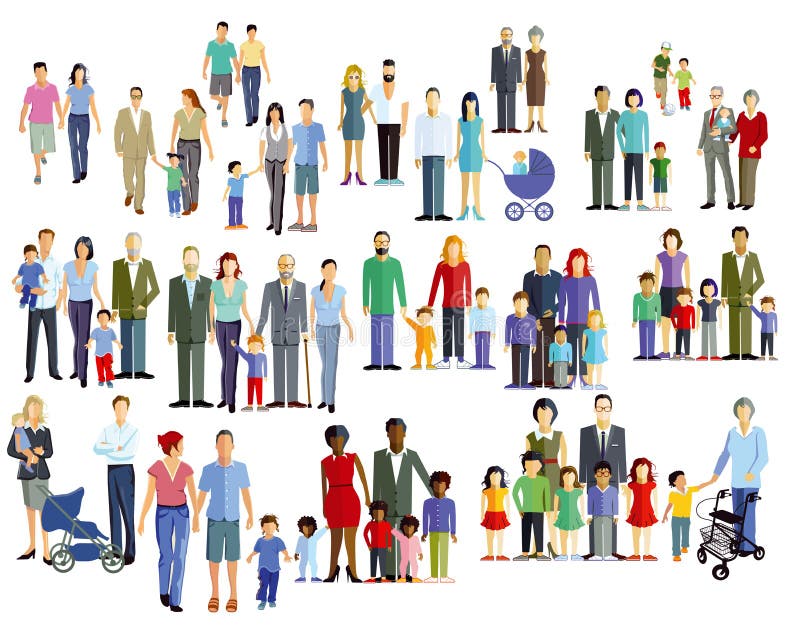
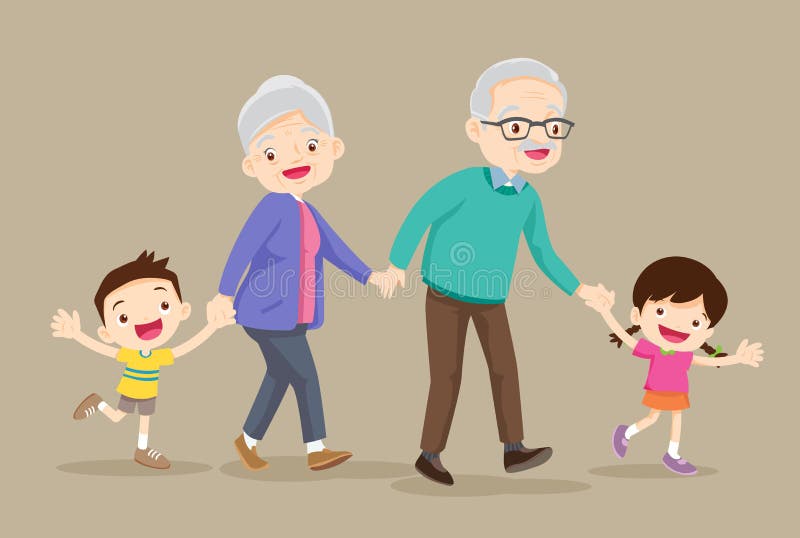
In 2016 I wrote about so-called familect, the ‘microdialect’ originating in the home*. Also known as ‘family slang’ and ‘kitchen table lingo’, this is one of those underappreciated, under-researched varieties of ‘in-group’ language which, like slang and jargon, make use of the same techniques (metaphor, irony, analogy – alliteration, rhyme, assonance, reduplication) as poetry and literature and at the same time offer a window into the private worlds of ordinary people: their preoccupations, pleasures and ways of bonding. Familect can also be a sharing ritual within the household whereby humour and creativity and inventiveness are enjoyed across generations. Kids are adept in creating new words from an early age and at playing with existing language to create new and colourful expressions, while older family members have their own ways of coining expressions and recycling or reworking the language of their youth, so the home is also a laboratory in which to cultivate new literacies.

Just recently the cApStAn Translation Team reviewed the topic and provided a useful link-fest and bibliography…

Today another article, by my friend Connie Chang, featuring interviews with specialists in the field, was published in the National Geographic

https://www.nationalgeographic.com/family/article/why-your-familys-secret-language-is-good-for-kids?loggedin=true

Familect can provide a useful subject for research and field work as part of exploring word creation and language innovation for school or college projects. Its users can be encouraged to look more carefully at the words and phrases they have invented themselves or shared or just heard, and asked to consider…

  1. Why was the expression invented? (usually because the object, idea or feeling described is precious or important or super-familiar. Sometimes because there isn’t an existing word or a memorable word to describe it in standard English)  
  2. What is it that makes these words funny, understandable, memorable? Is it that they sound like something else, remind you of something already familiar? Or is it the spelling and sound of them itself that makes them amusing?

In fact the school itself may be a source of similar novelties, as Tabitha McIntosh wrote in the TES this summer…

https://www.tes.com/news/schools-teachers-does-your-classroom-have-its-own-unique-language

Grandparents with Kids are Walker Stock Vector - Illustration of happiness,  cute: 153811703

One year on, in August 2022, the Guardian featured the phenomenon in an article by Arwa Mahdawi

https://www.theguardian.com/commentisfree/2022/aug/09/i-am-beshwiggled-and-incatacipated-why-theres-nothing-better-than-family-slang?CMP=share_btn_tw

*https://language-and-innovation.com/2016/07/23/family-language/