P.O.V SEPTEMBER – A SUMMER RETROSPECTIVE

A language update as the heat and drought recedes

Summer’s geopolitical turmoils together with the highest temperatures on record have pushed discussions of linguistic and cultural innovation to the sidelines. At the outset of the new semester I can begin to post again, thanks to collaborators and colleagues, with updates on the language of youth (I have also been adding items of contentious political and media jargon to my glossary of weaponised words and will comment on these separately).

Data specialist Randoh Sallihall has published his latest lists of the slang terms most often searched online in 2026 and has once again kindly shared these...

UK’s most searched slang words (monthly searches):

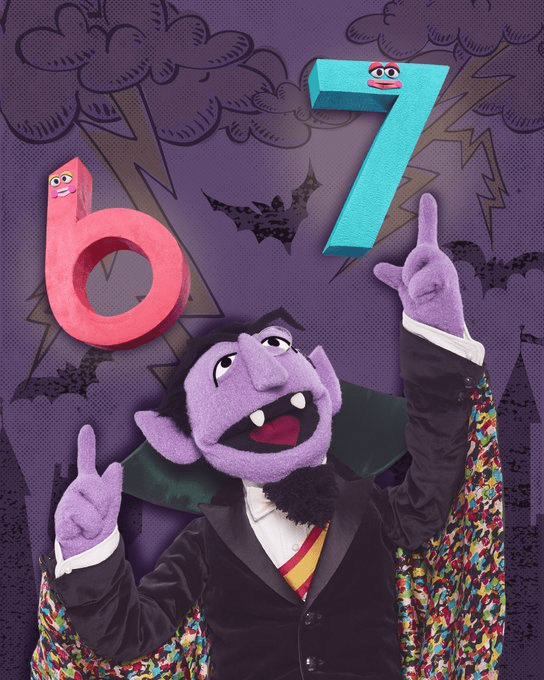
1.      67 (185 500 searches) – There is no literal meaning to six seven. Its absurdity is the point, making it a prime example of “brainrot” internet humor where the randomness itself becomes funny. It originates from the song “Doot Doot (6 7)” by Skrilla. LaMelo Ball a basketball player created a trending video about being 6 feet 7 inches tall using the song. Kids and teens scream and chant it often paired with exaggerated hand gestures.

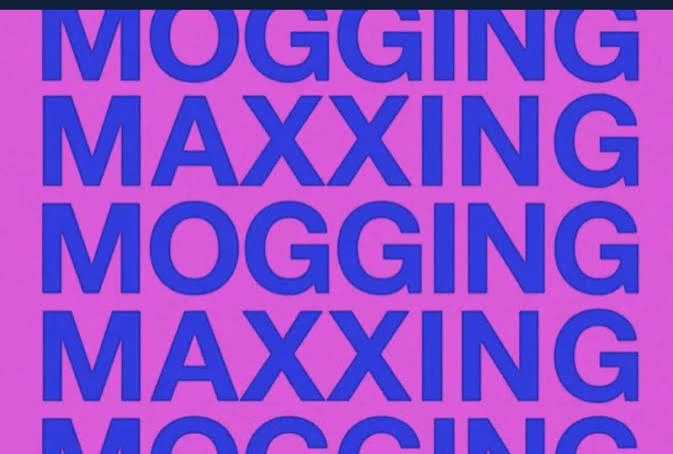
2.      Mogging, mogged, mog (41 300 searches) – outclassing someone else by appearing more attractive, skillful or successful.

3.      Gooning (40 200 searches) – primarily used in certain online communities to describe a prolonged session of self-stimulation. The term has evolved to casually refer to becoming overly obsessed about something. Essentially losing oneself in enthusiasm for an activity or interest.

4.      Rizz (38 200 searches) – style, charm or attractiveness. The ability to attract a romantic partner and make others like you.

5.      Larping, larper (27 200 searches) – a synonym to poser, fraud and try-hard. Someone who pretends to be something they are not. Faking a lifestyle. Acting for attention.

6.      Chud (22 600 searches) – a fool, troll or jerk. Often used to insult internet trolls and describe an obnoxious person who is unlikable or rude.

7.      Huzz (22 400 searches) – refers to attractive girl or a group of girls. A replacement for “boo” and “pookie”. Somebody you want to impress. This slang had a more derogatory meaning “h–s”, but that has changed.

8.      Unc (19 900 searches) – short for uncle. Used humorously to indicate old age(unc status). Anyone perceived as old, out of touch or past their prime.

9.      Foid (18 300 searches) – short for “femoid” (a blend of “female” and “humanoid”). A derogatory and misogynistic slang term for women. Used to express resentment, insult women and reduce individuals to objects.

10.   Cap, no cap (16 700 searches) – a lie, a fake claim or an exaggeration. Whereas no cap is means the opposite: I’m telling the truth, seriously, no lie.

11.   Chopped (16 100 searches) – this term has become a synonym for something that is ugly, undesirable or unattractive. Looking very rough.

12.   Aura, aura points, aura farming (14 800 searches) –

13.   Clock it (13 300 searches) – strongly agree with a sharp and truthful observation. Calling out the truth.

14.   Futz (11 000 searches) – waste time or idle. Mess around aimlessly.

15.   Charge it (10 100 searches) – short for charge it to the game. Accepting a minor loss. Letting go of a frustrating situation and moving on.

UK’s most searched word definition by region:

·        Scotland – 67.

·        England – Mogging.

·        Northern Ireland – Larping.

·        Wales – Chud.

These can be compared with data from the USA, also recording searches by Gen Alpha and other youth cohorts…

America’s most searched slang words (monthly searches):

1.      6-7 (1 602 200 searches) – There is no literal meaning to six seven. Its absurdity is the point, making it a prime example of “brainrot” internet humor where the randomness itself becomes funny. It originates from the song “Doot Doot (6 7)” by Skrilla. LaMelo Ball a basketball player created a trending video about being 6 feet 7 inches tall using the song. Kids and teens scream and chant it often paired with exaggerated hand gestures.

2.      Chud (184 900 searches) – a fool, troll or jerk. Often used to insult internet trolls and describe an obnoxious person who is unlikable or rude.

3.      Rizz (171 100 searches) – style, charm or attractiveness. The ability to attract a romantic partner and make others like you.

4.      Gooning (158 700 searches) – primarily used in certain online communities to describe a prolonged session of self-stimulation. The term has evolved to casually refer to becoming overly obsessed about something. Essentially losing oneself in enthusiasm for an activity or interest.

5.      Cap, No cap (96 600 searches) – a lie, a fake claim or an exaggeration. Whereas no cap is means the opposite: I’m telling the truth, seriously, no lie.

6.      Mogging, Mogged, Mog, Framemog (82 800 searches) – outclassing someone else by appearing more attractive, skillful or successful.

7.      Bop (78 300 searches) – a person with many sexual partners(bops around from person to person). Someone who presents oneself online in a way that is thought of as immodest. A derogatory word often used in cyberbullying.

8.      Larping, Larper (74 400 searches) – a synonym to poser, fraud and try-hard. Someone who pretends to be something they are not. Faking a lifestyle. Acting for attention.

9.      Aura, aura points, aura farming (66 400 searches) – a person’s cool factor, swagger or presence. Aura points are essentially coolness points that you can gain or lose by doing cool or cringe worthy actions. Aura farming refers to a behavior (often referencing anime characters) where a person does something for the sake of looking cool.

10.   Sigma (65 400 searches) – refers to an independent, self-reliant person who operates outside traditional social hierarchies, often described as a “lone wolf”.

11.   Crash out (60 500 searches) – losing total emotional control and throwing a major tantrum. An extreme an reckless destructive outburst. A synonym for snapping or freaking out.

12.   Glazing (59 600 searches) – praising someone excessively and insincerely(sucking up). The term is often used as a way to call out behavior where excessive flattery is used.

13.   Huzz (57 300 searches) – refers to attractive girl or a group of girls. A replacement for “boo” and “pookie”. Somebody you want to impress. This slang had a more derogatory meaning “h–s”, but that has changed.

14.   Chopped (53 600 searches) – this term has become a synonym for something that is ugly, undesirable or unattractive. Looking very rough.

15.   Based (51 400 searches) – being unapologetically yourself. An authentic person who is confident in their beliefs. Someone who does not care how others feel about their actions and opinions.

16.   Clanker (42 300 searches) – is a derogatory term for robots, bots, chat and AI technology. An example would be “having to talk to a clanker” would mean talking with a chat bot.

17.   Maxxing (41 100 searches) – to maximize and optimize. Go all in on improving a specific part of your life. Doing something to an extreme and obsessive degree. This slang words has become a flexible suffix you can add to any noun. Common examples are: looks maxxing, fibermaxxing, friction maxxing, cortisol maxxing, chud maxxing, nonna maxxing, mogging maxxing, jestermaxxing, melt maxxing, sleep maxxing, token maxxing.

18.   Unc (37 400 searches) – short for uncle. Used humorously to indicate old age(unc status). Anyone perceived as old, out of touch or past their prime.

19.   Ate (35 100 searches) – expressing admiration for someone who just did something like a boss. Looking amazing while winning.

20.   Cheugy (33 100 searches) – outdated and uncool. Trying too hard to follow past trends.

21.   Foid (31 200 searches) – short for “femoid” (a blend of “female” and “humanoid”). A derogatory and misogynistic slang term for women. Used to express resentment, insult women and reduce individuals to objects.

22.   Mid (29 200 searches) – short for mediocre or that something is of disappointing quality.

23.   Crine, son im crine (27 600 searches) – laughing so hard I am crying. A short and fun way to say that something is very funny.

24.   Delulu (25 800 searches) – short for delusional. It describes someone with unrealistic expectations, especially about crushes, relationships, or fantasies (thinking a celebrity will date them).

25.   Quiet on the creek (14 600 searches) – a fun way to tell somebody to not be so loud or to keep a secret. The phrase originating from a Saucy Santana TikTok Live stream, where he recalled childhood fishing advice: “I used to go fishing when I was a little girl, you got to be real quiet on the creek.”

Randoh Sallihall a spokesperson for Word Unscrambler (Unscramblerer.com) commented on the findings: “The most searched slang words of 2026 give insight into the cultural conversations happening in America. Using slang is a social signal. What people search for can tell us something about what they are trying to understand and participate in culturally. Slang may look like a collection of throwaway jokes from the internet, but psychology suggests it is doing something much more interesting. Using slang helps people navigate identity and belong to a community. Research highlighted by the American Psychological Association, including the work of psychologist Ryan Boyd, shows that our language choices can act as signals of who we are, who we identify with and how we relate to other people. Research by Alice Damirjian (post-doctoral Department of Philosophy) similarly describes slang as a way of identifying group affiliation, distinguishing insiders from outsiders and reinforcing social cohesion. Today new slang terms can spread like wildfire around the world thanks to big online communities on social media like TikTok, Instagram, gaming chats, streaming and so on. The popularity of trending slang words can change quickly, but the psychological need behind them stays the same. People want to understand one another and belong.”

Research was conducted by word unscrambling experts at Unscramblerer.com.

We analyzed 01.01.2026 -17.08.2026 search data from Google Trends for terms related to slang words.

Methodology: We used Google Trends to discover the top trending slang terms and Ahrefs to find the number of searches. America’s most popular slang terms can be discovered in Google Trends through the keyword ‘meaning’. People will hear or read slang terms and search for the meaning of the term(example ’67 meaning’). Ahrefs shows many variations of meaning searches like ‘slang’ or ‘means'(example ‘chud slang’) and similar keyword combinations(example ‘ what does rizz mean’). We added up 150 search variations of top slang terms.

It’s important to remember that these invaluable records are recording only look-ups – terms searched for probably because hearers or readers are unsure of their exact meanings or spelling. Words which are familiar to their users, such as neighbourhood slang, family slang or local dialect do not feature. The look-up list will also inevitably show a very high proportion of expressions originating in the US, as the common language of the Internet, influencers and content-creators, rap music and entertainment media is still American English.

A number of other glossaries of youth language have been published during the summer, and links to them are here…

https://www.theguardian.com/film/2026/jun/25/bello-minions-speak-gen-alpha-language?CMP=share_btn_url

Gabb Com and Axis Parent Guide updated their 2025 US glossaries with the latest teen usages…

https://gabb.com/blog/teen-slang

https://axis.org/resource/a-parent-guide-to-teen-slang

Gaming terms are an important element in both everyday slang and tech-talk, as the Guardian described in June…

https://www.theguardian.com/games/2026/jun/21/from-pwned-to-kiting-an-a-to-z-of-the-gaming-terms-you-need-to-know?CMP=share_btn_url

My impression, supported by the Unscramblerer data and by anecdotal evidence from my young informants, is that the high turnover in ‘aesthetics’ and ‘vibes’ (fads, new looks and new poses) previously promoted by Gen Z, influencers and TikTokers, along with the new terms generated (featuring in earlier posts on this site), has slowed and there are relatively few recent additions to the shared vocabulary prevailing in 2025. One exception would be the use of the combining form ‘-maxxing’, first employed by incels, now adopted by a very wide range of cultural ‘stakeholders’…

A range of new expressions inevitably failed to make the lists, among them ‘wam’ meaning large (if in capitals can mean ‘walking-around money’), ‘baddie’, an admiring or affectionate term of address or description of an attractive person, ‘glitch-walking’, moving awkwardly like a video game character, ‘lore-dumping’, explaining one’s whole backstory at once in a post or message, ‘high-cortisol’ or ‘cortisol-coded’, exuding or suggesting stress.

Examples of the latest tech slang and jargon were noted by the Guardian in August…

https://www.theguardian.com/technology/2026/aug/18/dickovers-baggravation-botiquette-18-new-words-tech-hellscape?CMP=share_btn_url

Misogyny, Masculinity and Messaging

Language, Ideology and Zeitgeist Updates

Much online discussion this year has addressed the baleful influence of the manosphere and incels on new language, and perhaps also on new attitudes and digital behaviour. Lucy Knight gathered together the strands of the debates for a feature in the Guardian, and asked me to contribute. Her article is here…

https://www.theguardian.com/science/2026/jun/06/mogging-is-suddenly-everywhere-is-that-a-problem?CMP=share_btn_url

In May I was contacted by Dazed magazine for a piece on the same subject, but I declined in deference to the acknowledged authority on these cultural mutations. Author Thom Waite duly took his cues from Adam Aleksic rather than me…

https://www.dazeddigital.com/life-culture/article/69637/1/language-looksmaxxing-jestergooning-incel-4chan-clavicular-adam-aleksic

The Lexis Podcast, to which I have been lucky enough to contribute to in the past, had a very interesting episode on the digital rhetoric emanating from these same dubious sources…

https://creators.spotify.com/pod/profile/lexispodcast/episodes/Episode-85—Rob-Topinka–digital-rhetoric-e3iv6js

Despite the focus on looksmaxxing and biohacking, chads and chuds and mogging, the slang of young people who may not be radicalised or posing as influencers, especially when used online or on platforms such as TikToK, continues to intrigue, if not baffle and provoke older generations. I spoke to Amy Wild about this for her piece in the Telegraph and it was significant I think that the experts consulted did not in their quoted remarks actually endorse the negative thrust of the article…

https://www.telegraph.co.uk/news/2026/02/20/internet-speak-changing-english-language

LAST WORDS

…and afterthoughts

My un-asked for, scrambled words of the year for 2025 appear in the wordcloud above. Not based on statistical surveys, frequency scans or media prominence, but on the instincts and intuition of a logophile and lexicographer. The words of the year chosen and promoted by the Dictionary publishers* are worthy in their way, once again favouring expressions generated by tech innovation and social media, but they reflect inevitably the perspective of a cohort (aging dictionary editors and their target market) who are at one remove from the language actually being coined or repurposed by what linguists call ‘expert users’. As I write I realise that my own final selection has left out some important last-minute candidates, now featuring in the end-of-year online discourse: vice-signalling, shroud-waving, microshifting and tablescaping, plus a runner-up, sponcon (= sponsored content) for example. The familiar youth slang term of address unc** has just, belatedly, been noticed by the mainstream media, while the terms flow state, in the zone and locked in, used by influencers, content creators and gamers, all meaning focusing intently on an activity, are not yet on the old person radar.

As the winter solstice came and went I was quoted in a few of mainstream media’s reviews of the year’s language…

In Lane Greene‘s discussion of slang and its significance…

https://www.economist.com/interactive/christmas-specials/2025/12/18/what-street-talk-reveals-about-anglophone-civilisation

In Eleanor Noyce‘s piece for Metro

And Lauren Robinson‘s for ABC News Australia

https://www.news.com.au/lifestyle/parenting/kids/slang-term-that-baffled-parents-more-than-any-other-in-2025/news-story/98bf508d85ded5f2428a90188eba937e

I also discussed with Lauren Cochrane of I-D magazine how a keyword from critical theory had been repurposed – more than once – in online discourse…

*https://theconversation.com/slop-vibe-coding-and-glazing-ai-dominates-2025s-words-of-the-year-269688?utm_medium=article_native_share&utm_source=theconversation.com

**https://www.dailymail.co.uk/sciencetech/article-15408445/younger-person-unc-meaning-explained.html

…and lastly I promise, a last word before Christmas Day: treatonomics, also known as Little Treat Culture, describes the trend for affordable indulgences, small, emotionally satisfying purchases that offer ‘guilt-free joy’

AUTUMNAL UPDATES

The Autumn Equinox, and time for the latest perspectives on slang and youth language in the Anglosphere…

I‘m very grateful indeed for the latest data on the most popular slang terms – according to online searches – among younger people in the USA, provided once again by Randoh Sallihall of Unscramblerer.com

Most searched for slang words in America:

1.      6-7 (141 000 searches) – There is no literal meaning to six seven. Its absurdity is the point, making it a prime example of “brainrot” internet humor where the randomness itself becomes funny. It originates from the song “Doot Doot (6 7)” by Skrilla. LaMelo Ball a basketball player created a trending video about being 6 feet 7 inches tall using the song. Kids and teens scream and chant it often paired with exaggerated hand gestures. *See also below

2.      Bop (115 000 searches) – A person with many sexual partners (bops around from person to person). Someone who presents oneself online in a way that is thought of as immodest. A derogatory word often used in cyberbullying.

3.      Mogging (79 000 searches) – outclassing someone else by appearing more attractive, skillful or successful. Looksmaxxing (16 000 searches)  has a similar meaning that is also a trending slang word this year.

4.      Huzz (61 000 searches) – refers to attractive girl or a group of girls. A replacement for ‘boo’ and ‘pookie’. Somebody you want to impress. This slang had a more derogatory meaning ‘h–s’, but that has changed.

5.      Chopped (59 000 searches) – this term has become a synonym for something that is ugly, undesirable or unattractive.

6.      Big back (57 000 searches) – refers to someone with a large physique. Someone who is seen as gluttonous or out of shape. It’s less about literal size and more about poking fun at behavior, like hogging food or being sluggish.

7.      Glazing (49 000 searches) – means to praise someone excessively and insincerely. A way to call out behavior where excessive flattery is used.

8.      Zesty (44 000 searches) – someone who is lively, exciting or energetic.

9.      Fanum tax (36 000 searches) – playfully taking a portion of a friend’s food. The streamer Fanum began this trend.

10.   Green FN (34 000 searches) – refers to a guaranteed win. Describes something amazing and highly desirable. Often said after an exceptional shot or throw in basketball. The term originates from the NBA 2K video game series, where a perfectly timed shot is marked by the color green.

11.   Delulu (32 000 searches) – short for delusional. It describes someone with unrealistic expectations, especially about crushes, relationships, or fantasies (thinking a celebrity will date them).

12.   Clanker (29 000 searches) – is a derogatory term for robots and AI technology. An example would be “having to talk to a clanker” would mean talking with a chat bot.

13.   Ohio (24 000 searches) – refers to anything that is strange or absurd.

14.   Slop (21 000 searches) – describes low effort AI generated content.

15.   Aura farming (18 000 searches) -refers to a behavior (often referencing anime characters) where a person does something for the sake of looking cool.

A spokesperson for Unscramblerer.com commented on the findings: “Popular slang in 2025 continues to be heavily influenced by TikTok, Instagram, gaming, streaming, Gen Z and Alpha online communities. Trends from social media spread rapidly via memes and viral challenges. Fueled by technology our language adapts to new slang trends more rapidly than ever. Slang is a fascinating and fun mirror of our culture.”

Research was conducted by word finding experts at Unscramblerer.com.

We analyzed 01.01.2025 -19.09.2025 search data from Google Trends for terms related to slang words.

Methodology: We used Google Trends to discover the top trending slang terms and Ahrefs to find the number of searches. Americas most popular slang terms can be discovered in Google Trends through the keyword ‘meaning’. People will hear or read slang terms and search for the meaning of the term (example ‘mogging meaning’). Ahrefs shows many variations of meaning searches like ‘slang’ or ‘trend’ (example ‘mogging slang’) and similar keyword combinations (example ‘ what does demure mean’). We added up 150 search variations of top slang terms.

The words recorded in the US can be compared with this list of slang collected in UK schools by Teacher Tapp in August…

https://teachertapp.com/uk/articles/down-with-the-kids-slang-in-british-classrooms-2025/

Earlier this month I spoke to Avantika Bhuyan, Editor at India’s Mint Lounge magazine, about the youngest online cohort, Gen Alpha. She asked me how their interactions with technology and language differed from their predecessors…

Gen Alpha are of course the first generational cohort to have grown up wholly surrounded by digital technology, digital media and the online culture that accompanies them. They are adept at using the hardware – mobile phones, tablets, gaming gadgets – but also unlikely to be dazzled by these already dated mechanical devices. They have sometimes returned to old fashioned film cameras and Polaroids, wind-up watches, puzzles and pinballs as interesting relics (something which in older users is described by theorists as ‘haptic nostalgia’. For them AI isn’t a terrifying threat but just part of the digital landscape they navigate daily.

Gen Alpha are active on YouTube (short-form video by preference), Instagram and – especially – TikTok where they can participate and emulate, or react to influencers and content-creators and individual TikTok celebrities, This media reinforces accelerated performances, exaggerated poses and a pervading sense of self-consciousness, self-mockery, irony and absurdist humour, prompted partly by their collective anxiety at being on display, surveilled and judged 24/7.

Gen Alpha slang, like GenZ’s differs from that of older generations in that it’s not just language that arises ‘naturally’, escaping from the streets or disseminated by movies, TV and the music industry. The language they use has often been generated deliberately by techbros, influencers and microcelebrities who are not just trying to communicate but to gain prestige, kudos. The slang they use also differs from older versions in ways which are interesting to linguists like me: the ‘words’ are not just words but operate virally like memes and, like memes, they are ‘multimodal’, made up not just of writing or sounds like traditional words but accompanied by images, sound effects, references to other messages, in-jokes, puns, etc.

Older generations often find Gen Alpha’s vocabulary baffling, ridiculous or annoying – unsurprisingly since the language is used in part to project behaviour and values that are alien to parents, teachers. Key words – such as ‘skibidi’ – may actually be meaningless, more comic gestures than information-bearers and the passing visual fads and fashions that Gen Alpha (and Gen Z) indulge in – microtrends and looks and what they call ‘aesthetics’ or ‘vibes’- are not designed to last.

There may be serious effects to these innovations and new behaviours. Dating is much more fraught, more competitive when its potentially being exposed globally, and partners’ motives may be even more conflicted, contradictory and mutable when the rituals of romance are playing out in an environment already disrupted by older generations’ repertoire of ‘ghosting’,  ‘gaslighting’, ‘benching’ and ‘breadcrumbing’.

Above all we older people mustn’t underestimate Gen Alpha. They may sometimes be victims of the toxic aspects of digital culture, but they are also adept at coming to terms with it, manipulating it to their own advantage – or knowing when to reject it.

Avantika’s long feature on Gen Alpha is here…

Another way in which mainly younger creators and communicators are changing language is by way of Algospeak, the online code used to disguise messages and evade surveillance…

*In October I spoke to BBC Radio London about the phrase ‘six seven‘ (number one lookup in the US, above) which had now come to the attention of British media, having crossed over from TikTok performances and online posting to real-life irritation of UK teachers and parents. The meaningless phrase, unrelated to the very old expression ‘at sixes and sevens’ (in a state of confusion or disorder) which was used by Chaucer and Shakespeare, was being chanted with accompanying gestures (outstretched arms, palms upward) to tease, baffle and mock adults. Its young users were possibly unaware of its origins in the lyrics of a rap track by US artist Skrilla and its subsequent adoption by basketball stars and their followers.

Nobody as far as I know has yet mentioned – as my friend Nicky Hill reminded me – that the same numbers were already in use in South London in a more sinister context…

https://en.wikipedia.org/wiki/67_(group)

And, also on Twitter, from Celandine an intriguing tangential suggestion…

‘I saw something suggesting that parents take the opportunity to cite Deuteronomy 6:7! “You shall teach them (the Commandments) diligently to your children, and shall talk of them when you sit in your house, and when you walk by the way, and when you lie down, and when you rise.”’

On the eve of All Hallows Eve the Guardian continued the narrative…

https://www.theguardian.com/commentisfree/2025/oct/30/six-seven-meaning-slang

And for those who remember…

In November I was interviewed by Laura Cannon for BBC Bitesize, again about viral slang and trending youth language and its implications. Laura’s article is here…

6-7 and the ‘secret’ language of kids – BBC Bitesize

In December Dazed magazine featured its recommendations for Christmas gifts alongside a list of the year’s archetypes – the new identities which have replaced or reinforced the aesthetics, vibes and microtrends of 2024…

The 2025 Christmas archetype gift guide | Dazed

QUIET QUITTING, TWO-TIMING OR DOUBLEDATING?

A (nearly) new lexicon describes new attitudes to work

I spoke last week to Financial Times journalist Emma Jacobs about so-called ‘Polygamous Working‘, part of the new vocabulary of the workplace generated by younger employees still coming to terms with a post-pandemic work-life balance. Holding a second job is not necessarily illegal providing it is disclosed, but recent reports describe hundreds of public sector workers in the UK illicitly receiving multiple salaries from simultaneous jobs. When the idea of a polyamorous workplace first surfaced three or so years ago, some business gurus hailed it as a positive trend: “Polygamous careers are giving workers the opportunity to hone new skills, fully leverage their knowledge, and pursue numerous interests at once. The emphasis is on contributing to various projects and roles, as opposed to working exclusively with a specific employer.”

In this context new expressions like “quiet quitting” and “task masking” are gaining traction. They are, says writer and lexicographer Tony Thorne, “self-consciously coined and promoted like memes”, designed to go viral. Thorne thinks this suggests the young people using them are not lazy, but “more resistant to accepting traditional notions of work, workplaces and work etiquette”. Perhaps no surprise, given they grew up in the aftermath of Brexit and the pandemic.

Gen Z in particular have a different take on work-life balance and really on the nature of work itself I think. They approach these things as part of a wider matrix of lifestyle modes, (self-help and self actualisation and curating relationships) what they call ‘vibes’ and ‘aesthetics’ and performative behaviour. We can’t forget also that their behaviour even at work often reflects their pervasive use of irony, sarcasm and self-parody.

This is reflected in the terminology they have adopted of course. I think another aspect which hasn’t been discussed much is the fact that GenZ have not been conditioned by the sort of corporate culture, office culture or lingering work ethic that Gen X and millennials were conditioned by. Add to this the fact that they more than anyone have undergone the disruption caused by Brexit, the aftermath of austerity and the pandemic and so may be more resistant to accepting traditional notions of work, workplaces and work etiquette.

There is yet another way in which things are different for younger cohorts. They exist in a globalised online reality where trends in behaviour are not driven by ‘authorities’ or ‘professionals’ but by influencers and content creators chasing clicks and clout. New expressions are not just words or phrases which spread by word of mouth but may be self consciously coined and promoted like memes. They may not simply exist as sounds and spellings but also accompany images and soundtracks (as on TikTok). Linguists might call them ‘multimodal‘.

Neither the notions they describe or the terms themselves are completely new. Back in 2005* I reported ironic office slang such as ‘FaceTiming’, just putting in an appearance to suggest dedication to the job, ‘Sunlighting’ (like moonlighting), aka ‘Dual Jobbing‘, doing a quite different job one day a week. ‘WFH‘, ‘Remote Working‘, ‘Hybrid Working‘ – and ‘Side Hustles‘ – were later coinages prompted by enforced flexibility. The end of the pandemic saw the ‘Great Resignation‘ of 2021 as disillusioned workers supposedly abandoned unfulfilling careers en masse. Employers were encouraged to promote ‘Cross-Skilling‘, training staff to perform a wider range of functions, and ‘Job-Crafting‘, allowing employees to design their own roles.

Emma’s article with contributions from Bobby Duffy, director of the Policy Institute at King’s College London, is here…

https://www.ft.com/content/e3349ea5-50f7-447b-b466-750e038f706b

*From Shoot the Puppy -A survival guide to the curious jargon of modern life

Writing in the Conversation, John-Paul Byrne has more on the ‘quiet quitting ‘phenomenon…

The trend for ‘quiet’ and ‘soft’ quitting is a symptom of our deteriorating relationship with work